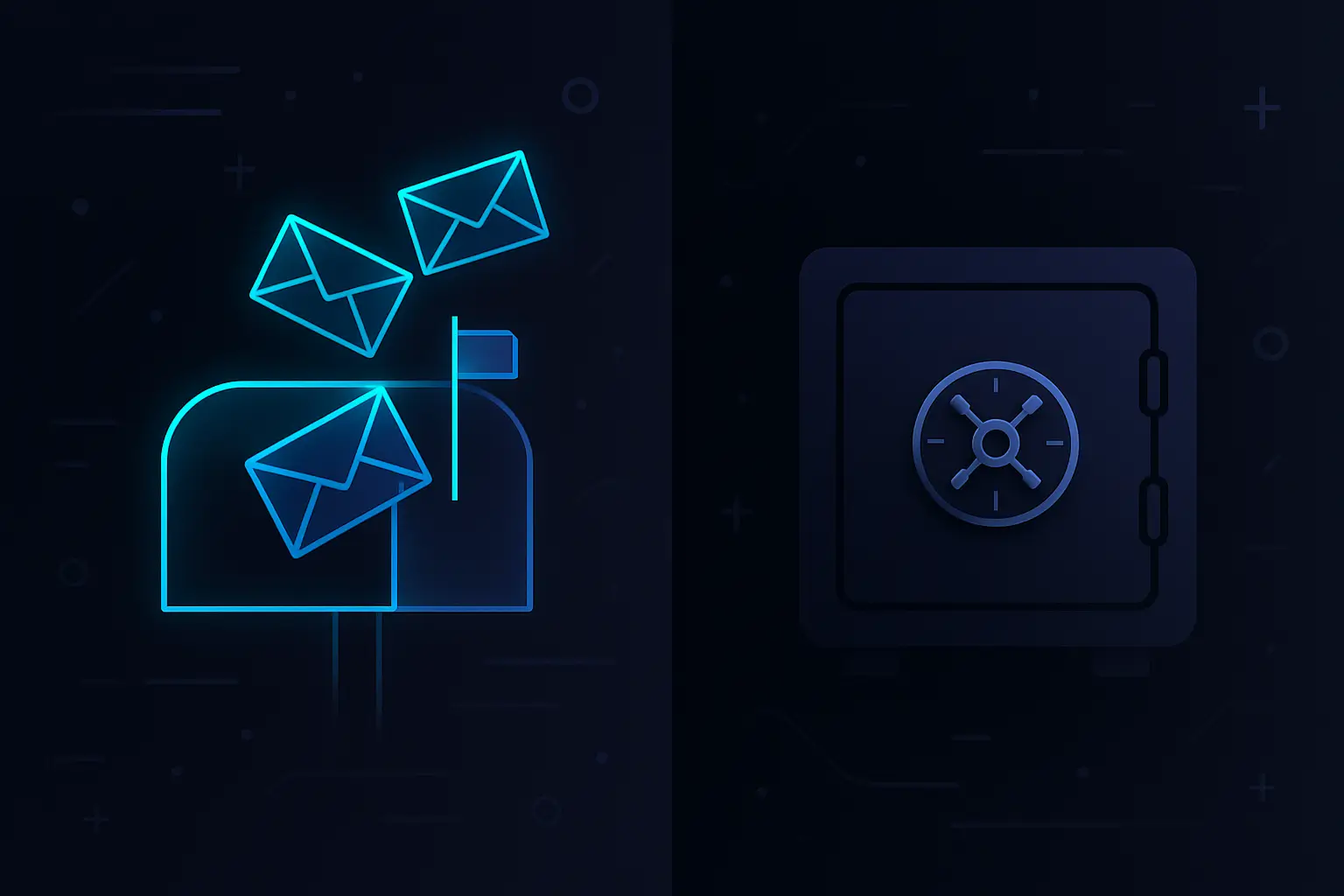
Every time you send, receive, or hold crypto, you are using cryptographic keys, even if you never see them. A key is just a very large secret number that proves which coins or tokens you control on a blockchain. You can think of this system like a building with many apartments. A public key (or address) is like your apartment number and letterbox that anyone can see and send mail to, while your private key is the only key that can open the door and move what is inside. This article will walk you through what public and private keys are, how they are linked, and how wallets use them behind the scenes. By the end, you will know exactly what to share, what to protect, and the simple habits that keep your crypto safe.
Key Takeaways: Public vs Private Keys in 60 Seconds
Summary
- Your public key or address is for receiving crypto and verifying your signatures; it is safe to share, like a bank account number or email address.
- Your private key is a secret that lets you move or spend funds; anyone who has it can control your crypto instantly.
- Most modern wallets hide raw keys and show you a public address and sometimes a QR code, both of which are safe to share for receiving payments.
- A seed phrase (12–24 words) is a human-readable backup of your private keys and must be protected like the keys themselves.
- Losing your private key or seed phrase usually means permanent loss of access to your funds; there is no central “forgot password” button.
- Sharing a private key, seed phrase, or screenshot of them is equivalent to handing over your entire wallet to a stranger.
Where Cryptographic Keys Show Up in Your Crypto Life
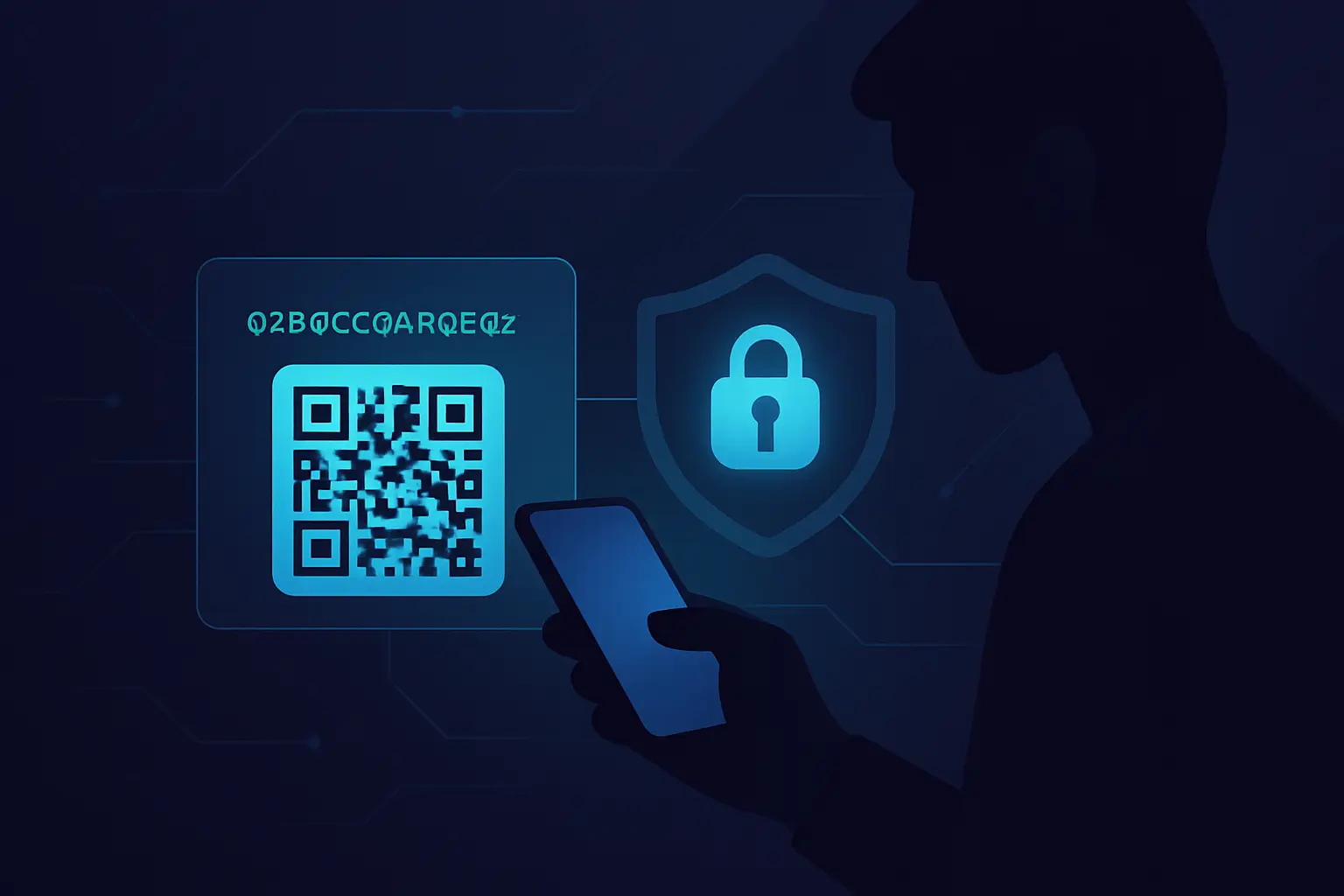
- The long string (or QR code) you send to someone so they can pay you is your public address, derived from your public key.
- The secret number or file your non-custodial wallet protects is your private key, which signs transactions on your device.
- The 12–24 word seed phrase you wrote down during wallet setup can recreate your private keys if your phone or laptop is lost.
- When you keep coins on a big exchange, the exchange holds the private keys and you only see a balance in your account.
- When you connect your wallet to a DeFi app or NFT marketplace, the app asks your wallet to sign messages with your private key to approve actions.
How Cryptographic Keys Work (Without Heavy Math)
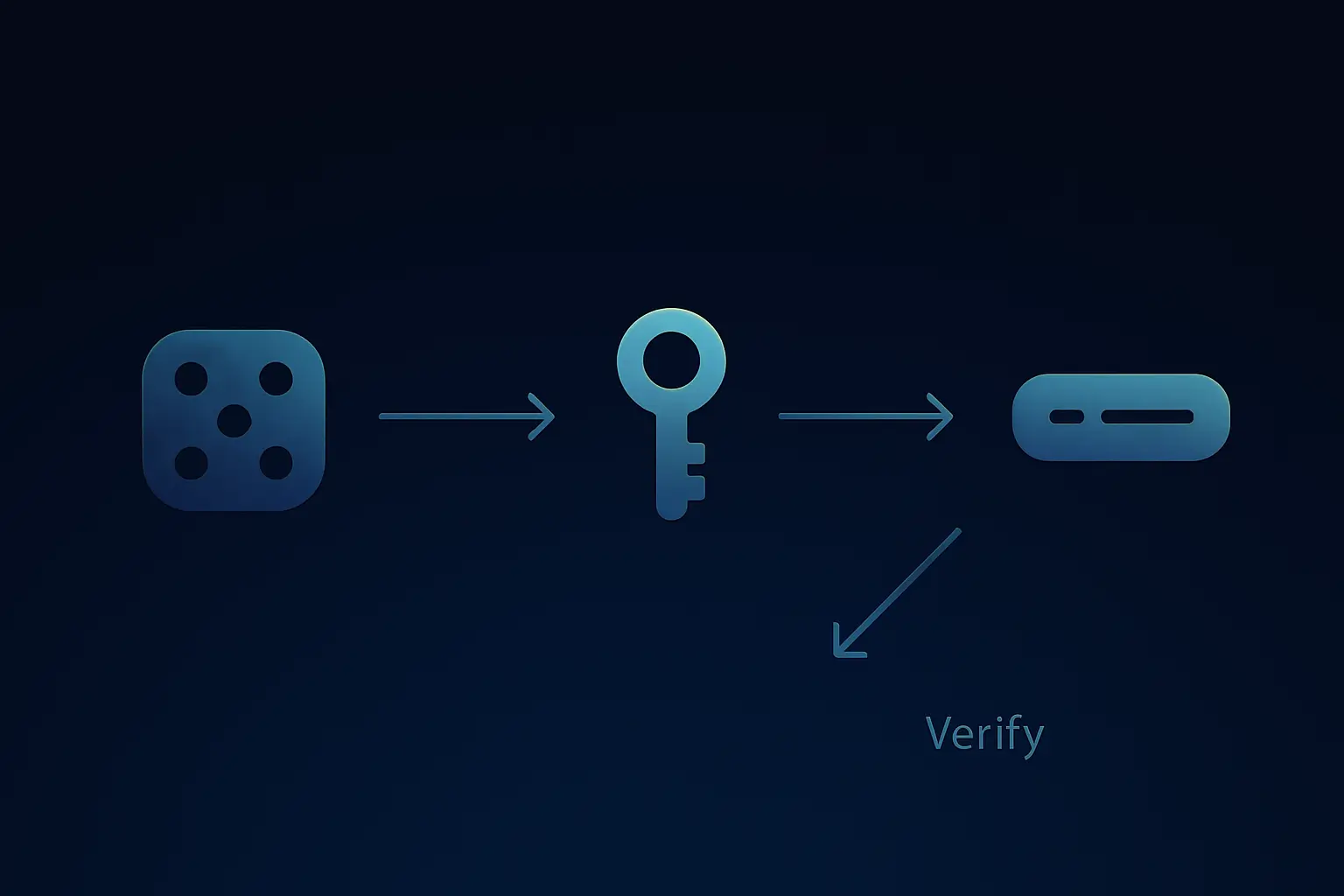
- Your wallet starts by generating a huge random number and treating it as your private key, using secure randomness built into the device or software.
- Using fixed mathematical rules, the wallet derives a matching public key from that private key, in a way that is easy to compute in one direction but practically impossible to reverse.
- For many blockchains, the wallet then compresses and hashes the public key into a shorter, user-facing address like a Bitcoin or Ethereum address.
- When you send crypto, the wallet creates a transaction and uses your private key to make a digital signature, a unique stamp that proves the transaction came from you.
- Nodes on the network use your public key or address to verify the signature mathematically, confirming it is valid without ever seeing your private key.
Pro Tip:Your wallet handles all the math and signing for you, so you do not need to generate or type keys yourself. In practice, your main job is to choose a trustworthy wallet and protect its private key or seed phrase from loss and exposure. If these stay safe, all the complex cryptography continues to work quietly in your favor.
Public Key vs Private Key: Side-by-Side View
Key facts
What Do Cryptographic Keys Actually Let You Do?
Almost every action you take with crypto is really a key operation under the hood. Your wallet is constantly using your private key to sign and your public key or address to identify you. Once you see keys as the engine behind your wallet, it becomes easier to judge which actions are safe and which are risky. Here are some common situations where keys quietly do the work.
Use Cases
- Sharing your public address with a client so they can pay you in Bitcoin, Ethereum, or another coin.
- Using your wallet to sign a transaction when you send funds, swap tokens, or provide liquidity in DeFi.
- Clicking “Connect wallet” on a dApp, which triggers a signature request so the app can link actions to your address.
- Signing a plain text message with your private key to prove ownership of an address for KYC or customer support without moving funds.
- Granting and later revoking token spending permissions to DeFi protocols or NFT marketplaces, which are also controlled by signed transactions.
- Recovering your wallet on a new phone by entering your seed phrase, which regenerates the same private keys and addresses.
Case Study: Avoiding a Costly Key-Sharing Mistake
How to Store and Handle Your Keys Safely
- Use a reputable wallet from official sources, and keep it updated to benefit from the latest security fixes.
- Write your seed phrase clearly on paper (or a metal backup) and store it in a dry, private, offline location.
- Keep at least two separate backups of your seed phrase in different safe places to protect against fire, theft, or loss.
- Test new wallets or addresses with a small transaction first before sending larger amounts.
- Use strong, unique passwords and device locks so that someone who steals your phone or laptop cannot easily access your wallet app.
- Do not take screenshots of your seed phrase or private key, as they may be automatically backed up to the cloud.
- Avoid storing keys or seed phrases in plain text in email, messaging apps, or cloud notes that can be hacked.
- Never paste your private key or seed phrase into random websites or forms, even if they claim to “check” or “recover” your wallet.
- Do not share your private key or seed phrase with anyone, including supposed support agents or friends offering to help.
- Avoid installing unknown wallet apps or browser extensions that could secretly export your keys without your consent.
Risks and Security Pitfalls Around Cryptographic Keys
Primary Risk Factors
Holding your own keys gives you full control over your crypto, but it also means you do not have a bank to call if something goes wrong. On most blockchains, there is no central authority that can reset your password or reverse a transaction. If your private key or seed phrase is lost, you lose access. If it is exposed, an attacker can empty your wallet in minutes. Knowing the main attack paths helps you build habits that close those doors before someone tries to use them.
Primary Risk Factors
Security Best Practices
Who Holds the Keys? Custodial vs Self-Custody
Key facts
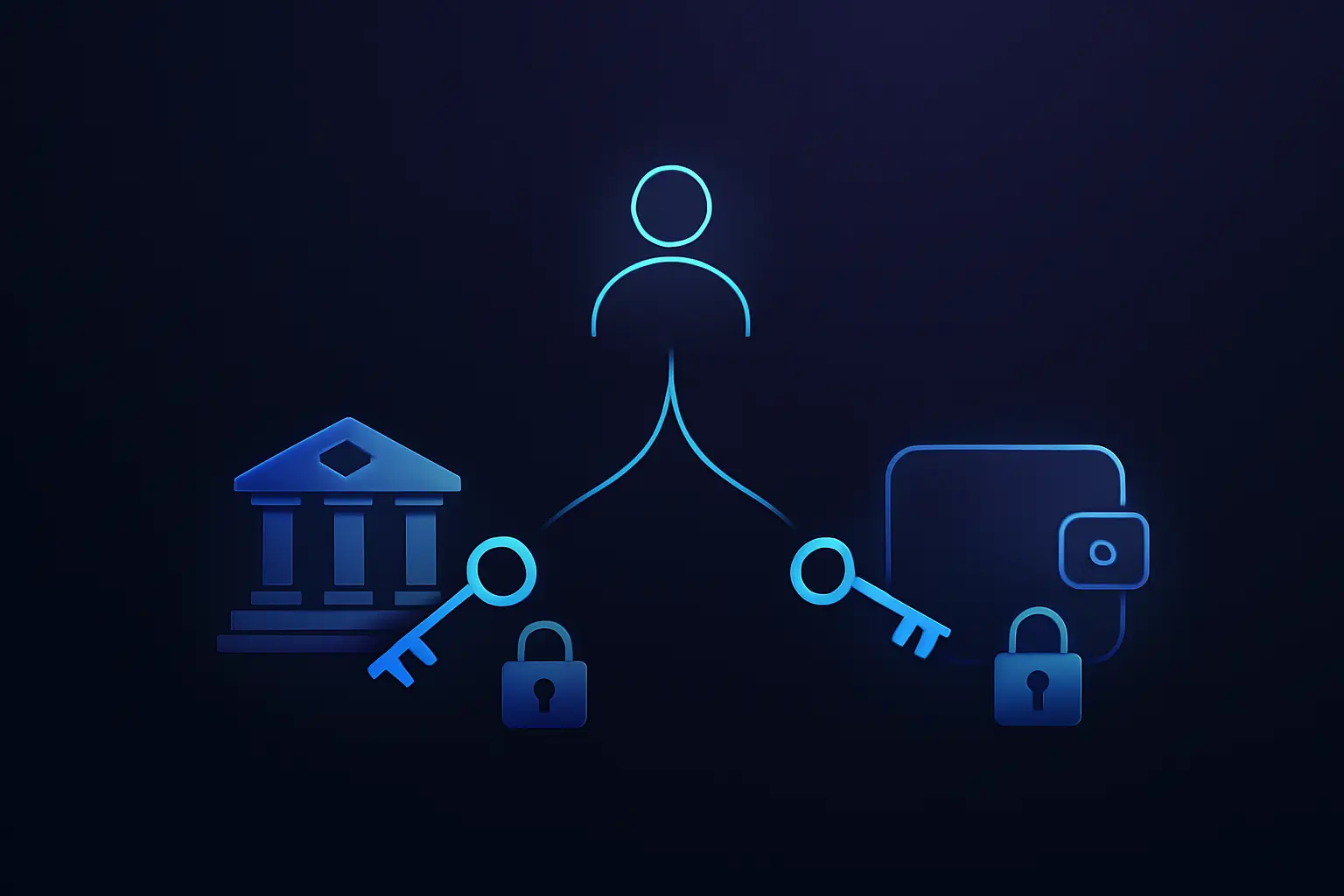
Pro Tip:Many people use a hybrid approach: small, frequently traded amounts on a reputable exchange, and long-term savings in a well-secured self-custody wallet. Whatever mix you choose, always know exactly who controls the private keys for each portion of your funds.
Beyond Basics: Different Key Types and Algorithms (High-Level)
- Elliptic-curve keys such as ECDSA and EdDSA provide strong security with relatively small key sizes, making them efficient for blockchains.
- Multi-signature wallets require several separate keys to approve a transaction, useful for teams, treasuries, or higher security setups.
- Smart-contract or account abstraction wallets can add features like social recovery, spending limits, or 2FA-like flows on top of basic keys.
- Hardware secure elements inside hardware wallets or modern phones store private keys in a protected chip that never exposes them directly to the operating system.
FAQ: Common Questions About Public and Private Keys
Final Thoughts: Treat Private Keys Like a Master Password
May Be Suitable For
May Not Be Suitable For
- People looking for deep mathematical details of cryptography proofs
- High-frequency traders focused only on exchange-based strategies
- Users who plan to keep all funds on custodial platforms indefinitely
- Readers needing chain-specific developer implementation guides
Cryptographic keys are the real owners of your crypto: public keys and addresses are for receiving and verifying, while private keys and seed phrases are for controlling and spending. As long as you keep the private side secret and backed up, the network will recognize you as the legitimate owner. Before you send or receive your next transaction, take a few minutes to review where your keys live, how they are backed up, and who truly controls them. If you use an exchange, decide which portion of your funds you want in self-custody and set up a secure wallet for that. Treat your private key or seed phrase like a master password that cannot be reset. Protect it carefully now, and you will avoid many of the painful mistakes that others only learn about after losing money.