When people talk about Bitcoin or Ethereum, they often mention nodes as if everyone already knows what they are. In simple terms, a blockchain node is just a computer that stores blockchain data and helps check and share transactions with other computers on the network. Nodes matter because they are what make a blockchain actually exist in the real world. Without thousands of independent nodes storing copies of the ledger and enforcing the rules, your coins would just be numbers in a company database you have to trust. In this guide, you’ll see what nodes do, the different types (full nodes, light clients, validators, and more), and what it really takes to run one. By the end, you’ll know whether you just need to understand nodes—or whether running your own could be a good learning project.
Node Basics at a Glance
Summary
- A blockchain node is a computer that stores blockchain data, checks that transactions follow the rules, and shares information with other nodes.
- Most nodes do not create new blocks; they mainly verify and relay blocks and transactions made by miners or validators.
- Anyone can run a typical full node with enough storage, stable internet, and patience for the initial sync—no special license or company permission needed.
- You already use nodes every time you send crypto; your wallet usually talks to someone else’s node behind the scenes.
- For everyday users, a light wallet or light client is usually enough, but running your own node gives more privacy, independence, and learning value.
Mental Model: Nodes as a Global Conversation
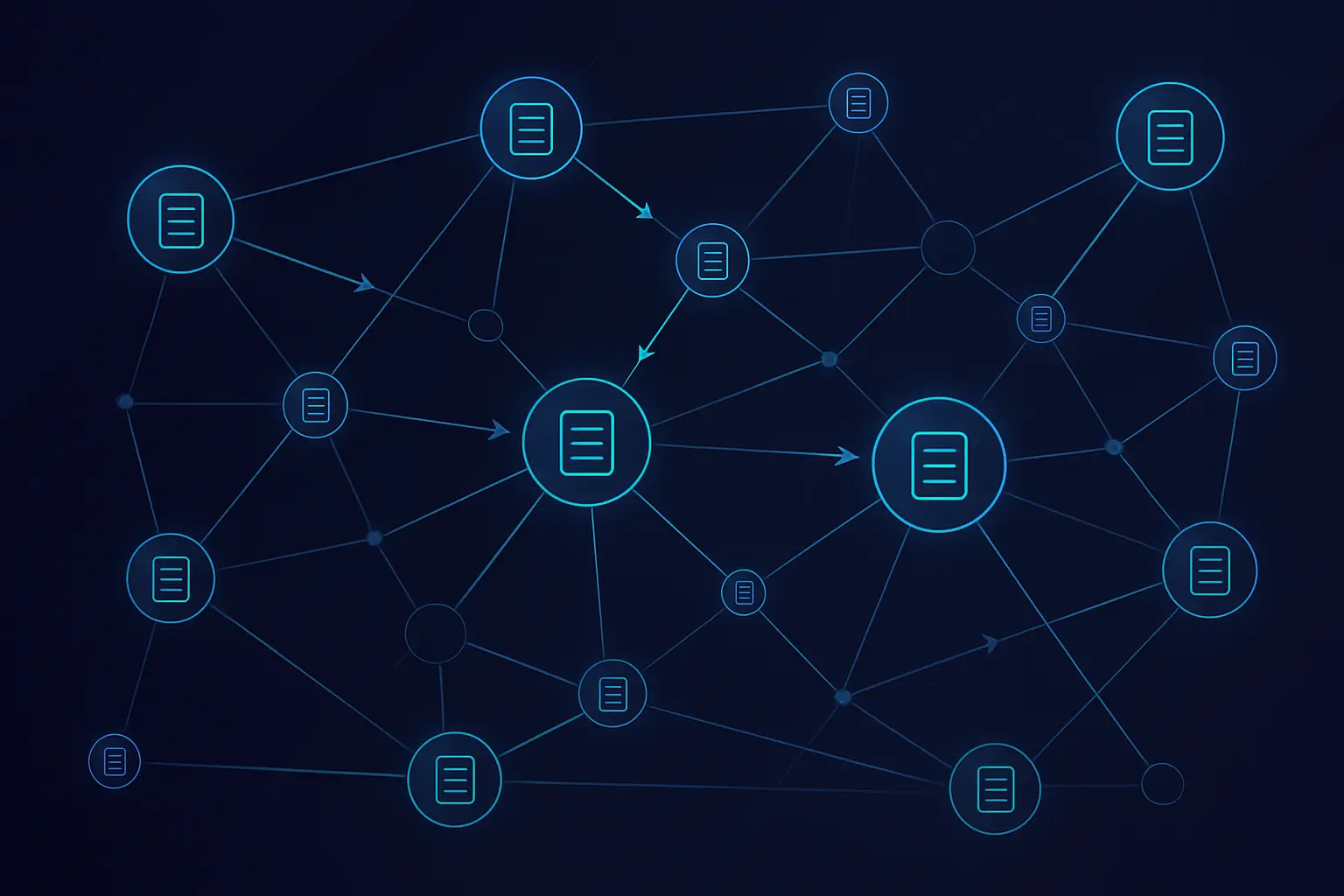
Pro Tip:You don’t need to run a node to use Bitcoin, Ethereum, or DeFi apps—most people never will. Your wallet, exchange, or favorite dapp is already talking to nodes on your behalf. However, understanding what nodes do helps you judge how decentralized a network really is. When a project claims to be “censorship‑resistant” or “trustless,” you can ask: how many independent nodes are there, who runs them, and how easy is it for new people to join?
How Blockchain Nodes Actually Work
- Store the blockchain ledger on disk so past transactions and balances can be independently checked at any time.
- Validate new transactions by checking signatures, balances, and protocol rules before relaying them further.
- Enforce consensus rules such as block size limits, difficulty rules, and allowed transaction formats.
- Relay (or “gossip”) valid transactions and blocks to other nodes, helping information spread quickly across the network.
- Reject invalid data—like double‑spends or malformed blocks—so that dishonest actors cannot easily change the rules.
- Serve data to wallets, explorers, and apps via APIs or RPC, letting users query balances and transaction history.
- Stay in sync with the network by downloading new blocks and occasionally re‑organizing if a longer valid chain appears.
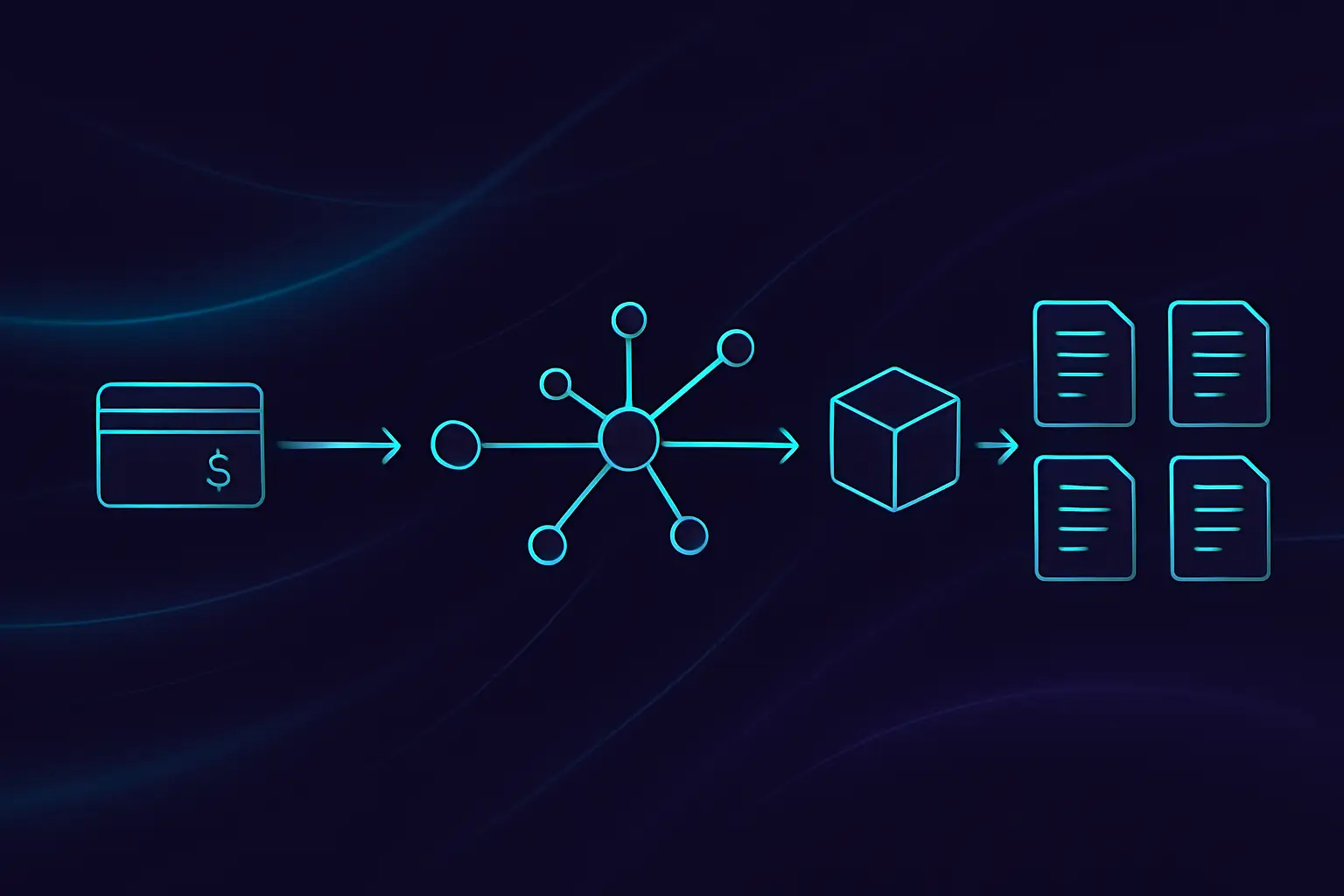
Pro Tip:In most major networks, only a subset of nodes—miners in proof‑of‑work or validators in proof‑of‑stake—are allowed to propose new blocks. These nodes usually have extra hardware, stake, or both at risk. However, every honest full node independently checks each block before accepting it. This separation between block creation and block verification is what stops a small group of miners or validators from unilaterally changing the rules.
Different Types of Blockchain Nodes
Key facts
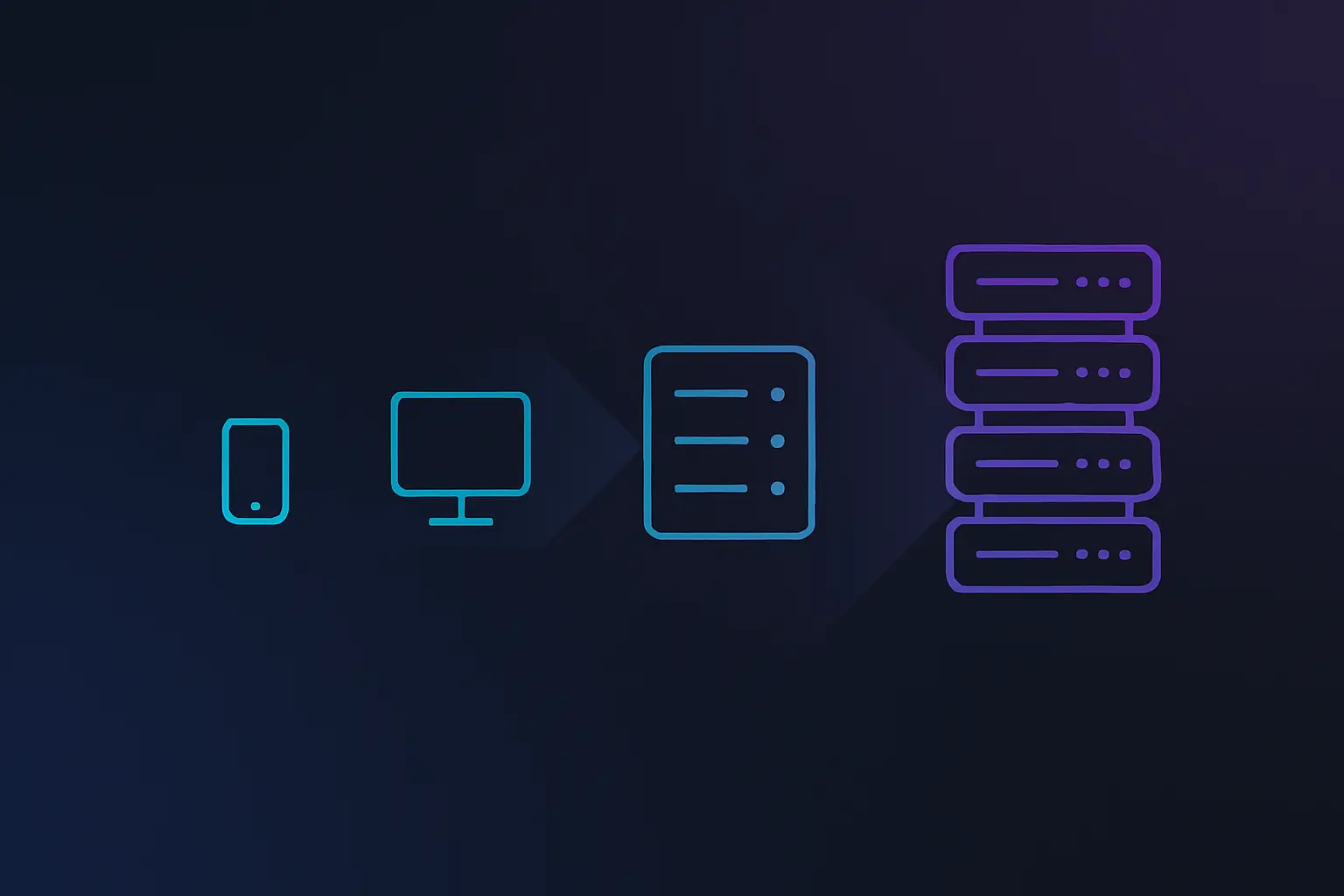
Pro Tip:If you are just starting out, experimenting with a full node that does not stake or mine is usually the safest and most educational option. It lets you verify the chain yourself without the extra security and uptime pressure of being a validator. Light wallets remain fine for daily spending, while your full node can act as your personal, trustworthy data source in the background.
Why Nodes Matter for Decentralization and Trust
- Network resilience: if some nodes go offline or are attacked, others still keep the blockchain reachable and usable.
- Rule enforcement: full nodes collectively enforce consensus rules, stopping miners or validators from changing them unilaterally.
- Independent verification: users who run nodes can check their own balances and transactions without trusting an exchange or explorer.
- Data availability: widely distributed copies of the ledger make it hard to erase or hide past transactions.
- Real decentralization: the more diverse the set of node operators, the harder it is for any single group to control the network.
Real-World Uses for Running a Node
Most people never think about nodes; they just open a wallet app, scan a QR code, and hit send. Behind the scenes, that wallet is talking to one or more nodes to broadcast your transaction and read the blockchain. Some users and businesses choose to run their own nodes for extra privacy, reliability, or learning. Depending on your goals, a node can be a personal tool, a piece of critical infrastructure, or the backbone of a crypto‑powered product.
Use Cases
- Learning and experimentation: run a full node at home to explore how blocks, mempools, and peer connections really work in practice.
- Independent verification: use your own node to confirm incoming payments or large transfers instead of trusting an exchange or third‑party explorer.
- Wallet and backend infrastructure: power your own wallet, exchange, or payment gateway with a node you control, improving reliability and reducing external dependencies.
- Staking or validating: on proof‑of‑stake chains, operate a validator node to help secure the network and potentially earn staking rewards (with added risk and responsibility).
- Improved privacy: connect your wallet directly to your own node so fewer third parties see your IP address and transaction queries.
- Building blockchain apps: use nodes and their APIs as the data source for dapps, analytics dashboards, or local community projects like neighborhood Bitcoin meetups.
Case Study / Story

Light Client vs Full Node: Which One Do You Need?
Pro Tip:If you mainly make small, occasional transactions, a reputable light wallet is usually enough. Consider running a full node if you handle larger amounts, care strongly about privacy and censorship resistance, or want to learn how the protocol really works by seeing raw data yourself.
Getting Started: What It Takes to Run a Node
- Choose a blockchain to support (for example, Bitcoin or Ethereum) and read its official node documentation to understand basic requirements.
- Check your hardware: ensure you have enough storage, RAM, and a reliable internet connection with no harsh data caps.
- Download the official or widely trusted node software from the project’s website or repository, and verify signatures or checksums when possible.
- Install and configure the client with default settings first, choosing where to store blockchain data on your disk.
- Let the node sync with the network, which may take hours or days as it downloads and verifies historical blocks.
- Secure access by keeping your operating system updated, using a firewall or router, and avoiding exposing RPC ports directly to the open internet.
- Optionally open recommended ports on your router so other peers can connect to you, improving network health and your peer count.
- Monitor your node occasionally using built‑in dashboards or logs to ensure it stays synced and online.
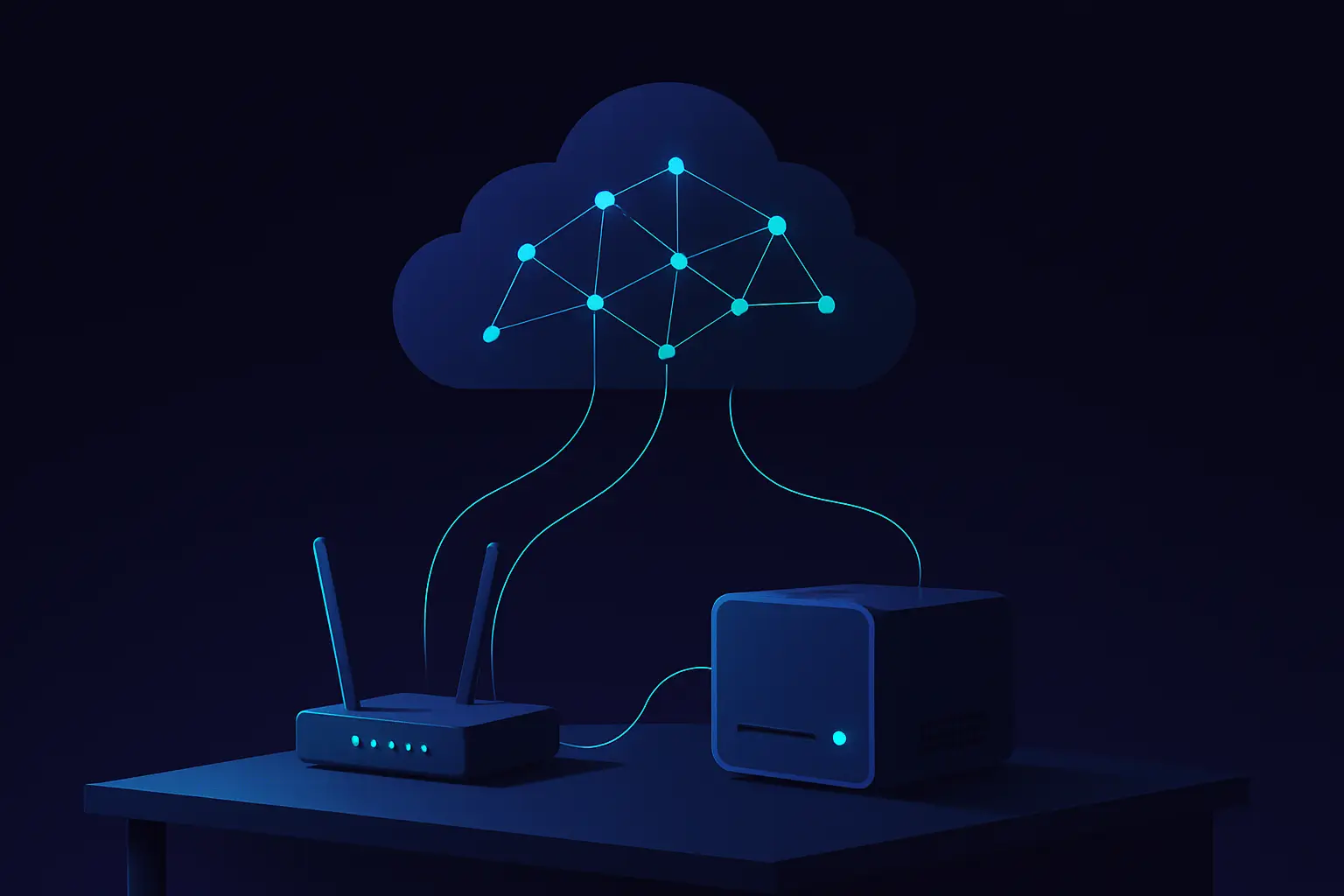
Pro Tip:Treat validator or staking nodes as serious infrastructure, not casual experiments. They often require 24/7 uptime, strong security practices, and in some cases your own funds at risk, so start with a non‑staking full node until you are comfortable.
Risks, Limitations, and Security Considerations
Primary Risk Factors
A basic full node that just verifies blocks and serves data to your own wallet is usually low risk if you follow common‑sense security practices. Still, there are important things to understand before you leave a machine online 24/7. Misconfigured RPC ports can expose control interfaces to the internet, which attackers might abuse to trick your wallet or scrape data. Logs and network traffic can also reveal your IP address and usage patterns. Depending on your country, regulators may have opinions about running infrastructure that touches financial networks, even if you are not an exchange. It is also easy to overestimate rewards—most nodes do not earn automatic income just for being online.
Primary Risk Factors
Security Best Practices
- Use official node software, keep your machine behind a home router or firewall, apply updates regularly, and avoid storing large amounts of crypto on the same device that runs your node.
Pros and Cons of Running Your Own Node
Pros
Cons
Frequently Asked Questions About Nodes
The Future of Nodes: Scaling, Rollups, and Beyond
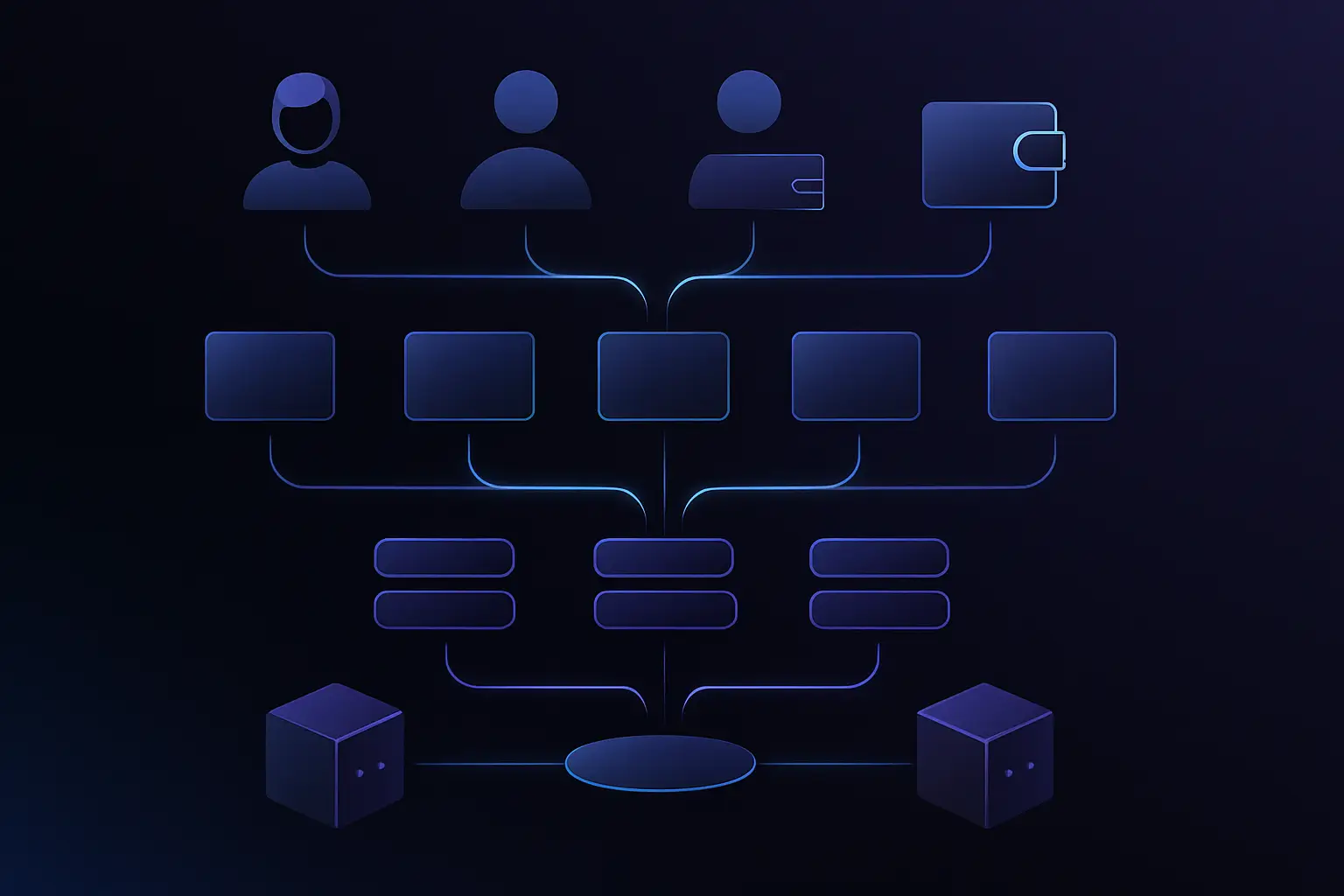
Key Takeaways: Understanding vs. Running a Node
May Be Suitable For
- Curious learner: understand what nodes do and maybe run a basic full node at home as a hands‑on project.
- Active trader or casual user: use reputable light wallets and know that you are relying on other people’s nodes for data.
- Developer or builder: run your own full or infrastructure nodes to power apps, analytics, or payment tools.
- Decentralization advocate: operate well‑secured nodes on key networks and help educate others about verification and network health.
May Not Be Suitable For
Blockchain nodes are the real‑world computers that store the ledger, enforce the rules, and keep networks like Bitcoin and Ethereum alive. Without thousands of independent nodes checking each other’s work, a blockchain would be little more than a centralized database with extra steps. You do not have to run a node to use crypto, but understanding how they work makes you better at judging decentralization claims, security trade‑offs, and project design. If you are curious, starting with a light wallet and then experimenting with a non‑validator full node is a realistic path. From there, you can decide whether nodes are just a learning tool, a piece of critical infrastructure for your business, or something you are happy to let others handle while you focus on applications.