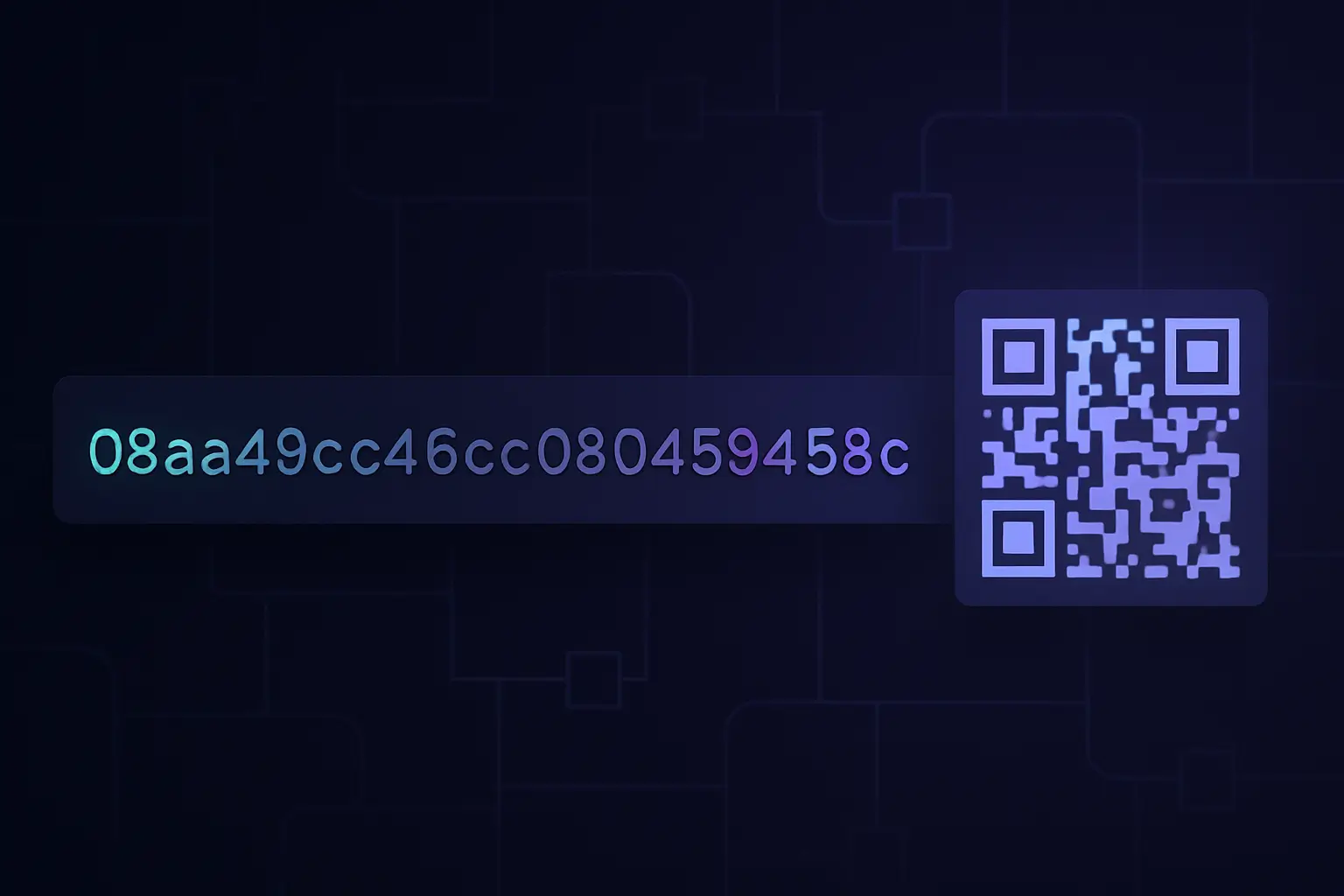
What Are Crypto Addresses and How They Work?

Beginners and intermediate users globally who want to understand what crypto addresses are, how to use them safely, and avoid common mistakes.

A crypto address is like a destination label on a blockchain: it tells the network where to credit or debit coins when someone sends a transaction. Instead of a name and bank account number, you get a long string of letters and numbers, or a QR code, that uniquely identifies where funds should go. These addresses can look intimidating at first, especially because different coins and networks use different formats. But you do not need to understand the deep math behind them to use them safely. In this guide, you’ll learn what crypto addresses are, how they’re created from public and private keys, and why they differ between Bitcoin, Ethereum, and exchanges. You’ll also see step-by-step usage, common risks, and simple habits that help you avoid sending money to the wrong place.

Quick Summary: Crypto Addresses in a Nutshell

Summary

  • A crypto address is a unique, public destination on a blockchain where funds can be sent and received.
  • Each address is tied to a private key, which controls the funds; the private key must never be shared.
  • Different blockchains and even different address types (for example BTC legacy vs SegWit) use different formats and are not always compatible.
  • Transactions to a valid address are usually irreversible, so you must verify the address and network before sending.
  • Use copy-paste or QR codes instead of typing, and always confirm the first and last few characters match your intended address.
  • When in doubt, send a small test amount first, then send the full payment once you see it arrive correctly.

Building an Intuitive Mental Model

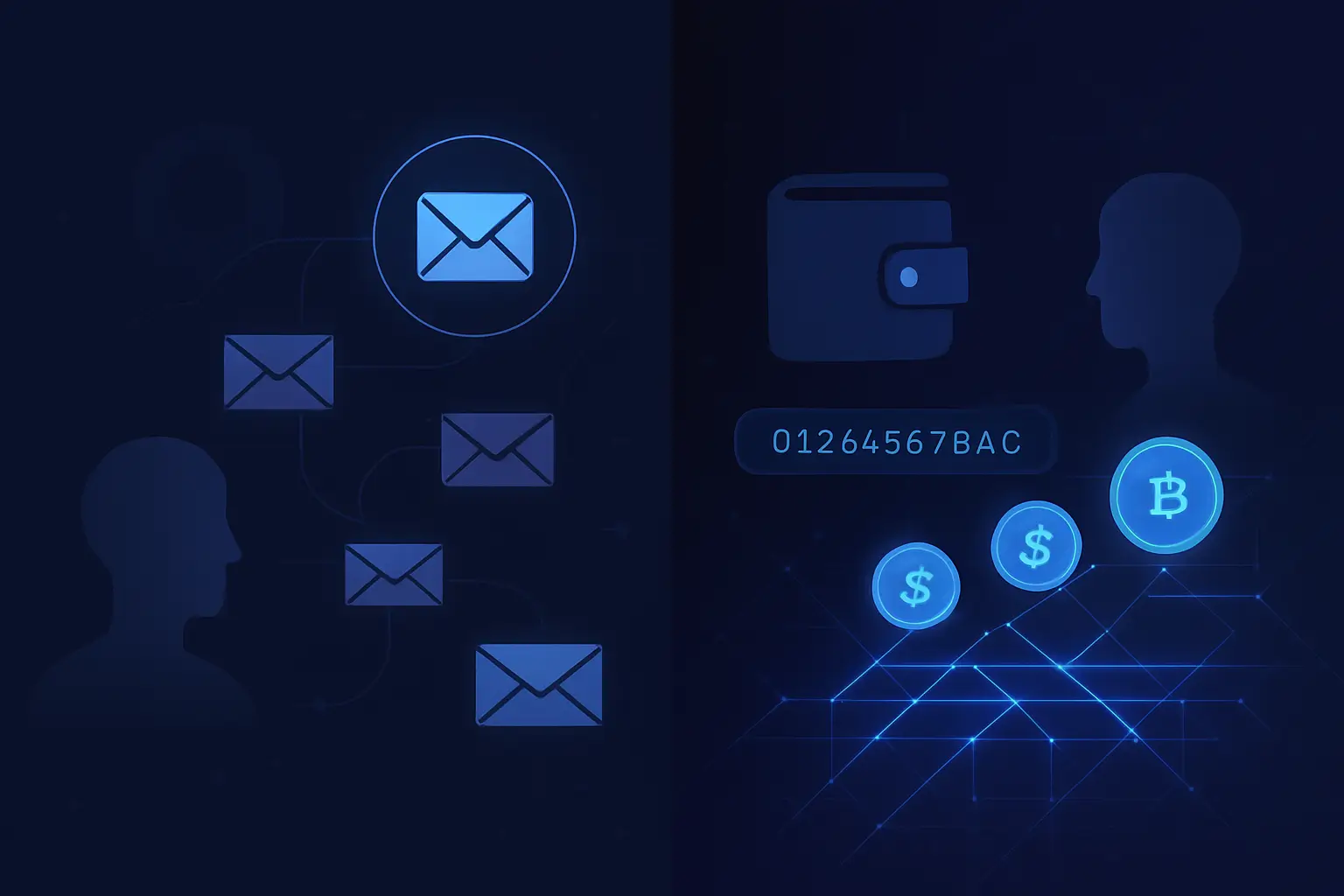
Crypto addresses look strange because they are designed for machines and security first, not for human memory. Instead of short names like “alice@example.com”, you see long, random-looking strings such as 0xA3… or bc1q…, which come from cryptographic calculations. Email address analogy: your email address is a public identifier anyone can send messages to, but only you can read them with your password. A crypto address is similar: anyone can send you coins, but only the person with the private key can move them. Bank account or IBAN analogy: like a bank account number, a crypto address tells the system where to credit or debit funds. The big difference is that blockchain transfers are usually final and do not rely on a bank to reverse mistakes. PO box analogy: think of your address as a PO box in a global, shared post office called the blockchain. Everyone can see that a package arrived at that box, but only the box owner with the right key can open it and move what is inside.
  • Like an email or bank account number, a crypto address is a public identifier you can safely share to receive value.
  • Unlike bank accounts, there is usually no central support team to fix a wrong transfer once it is confirmed on the blockchain.
  • Crypto addresses are often longer and more complex than IBANs or emails because they are derived from cryptographic keys, not chosen by humans.
  • Many wallets can generate many different addresses for you automatically, while your bank typically gives you only one or a few account numbers.
  • Blockchain balances are visible to anyone who knows the address, unlike typical bank accounts, but the real-world identity behind an address is not always obvious.
Article illustration
Email vs Crypto Address

Anatomy of a Crypto Address

Most crypto addresses are between about 26 and 62 characters long and use a mix of numbers and upper or lowercase letters. They are generated in a way that makes them extremely hard to guess or collide with another address. Different blockchains use different formats and prefixes. For example, many Bitcoin addresses start with 1, 3, or bc1, while Ethereum and other EVM chains use addresses that start with 0x followed by 40 hexadecimal characters. You do not need to understand the cryptographic math behind these strings to use them safely. What matters is recognizing the general look of the address for the coin you are using, and carefully checking the first and last few characters before confirming a transaction. Many wallets also show a QR code version of the same address. Scanning the QR code helps avoid typing mistakes and ensures the full address is captured exactly as intended.

Key facts

Bitcoin legacy address (starts with 1)
Older BTC format, looks like 1A1zP1eP5QGefi2DMPTfTL5SLmv7DivfNa; still widely supported but less efficient than newer types.
Bitcoin SegWit address (starts with 3)
P2SH format, often starts with 3, used for SegWit and some multisig wallets; compatible with most modern services.
Bitcoin Bech32 address (starts with bc1)
Newest human-friendlier format, always lowercase and starts with bc1; offers lower fees on many wallets and exchanges.
Ethereum / EVM address (starts with 0x)
Hexadecimal format starting with 0x, used on Ethereum and many EVM-compatible chains like BNB Chain and Polygon.
Exchange deposit address
Address generated by an exchange for your account; may look like a normal address but sometimes requires an extra memo, tag, or note to credit you correctly.
Article illustration
Parts Of An Address

Pro Tip:When verifying a crypto address, focus on the first 4–6 characters and the last 4–6 characters rather than the whole string. This is usually enough to spot a mismatch without overwhelming your eyes. Always compare these characters between the source (wallet, invoice, or exchange) and the destination screen just before you press Send or Confirm.

How Crypto Addresses Actually Work (Under the Hood)
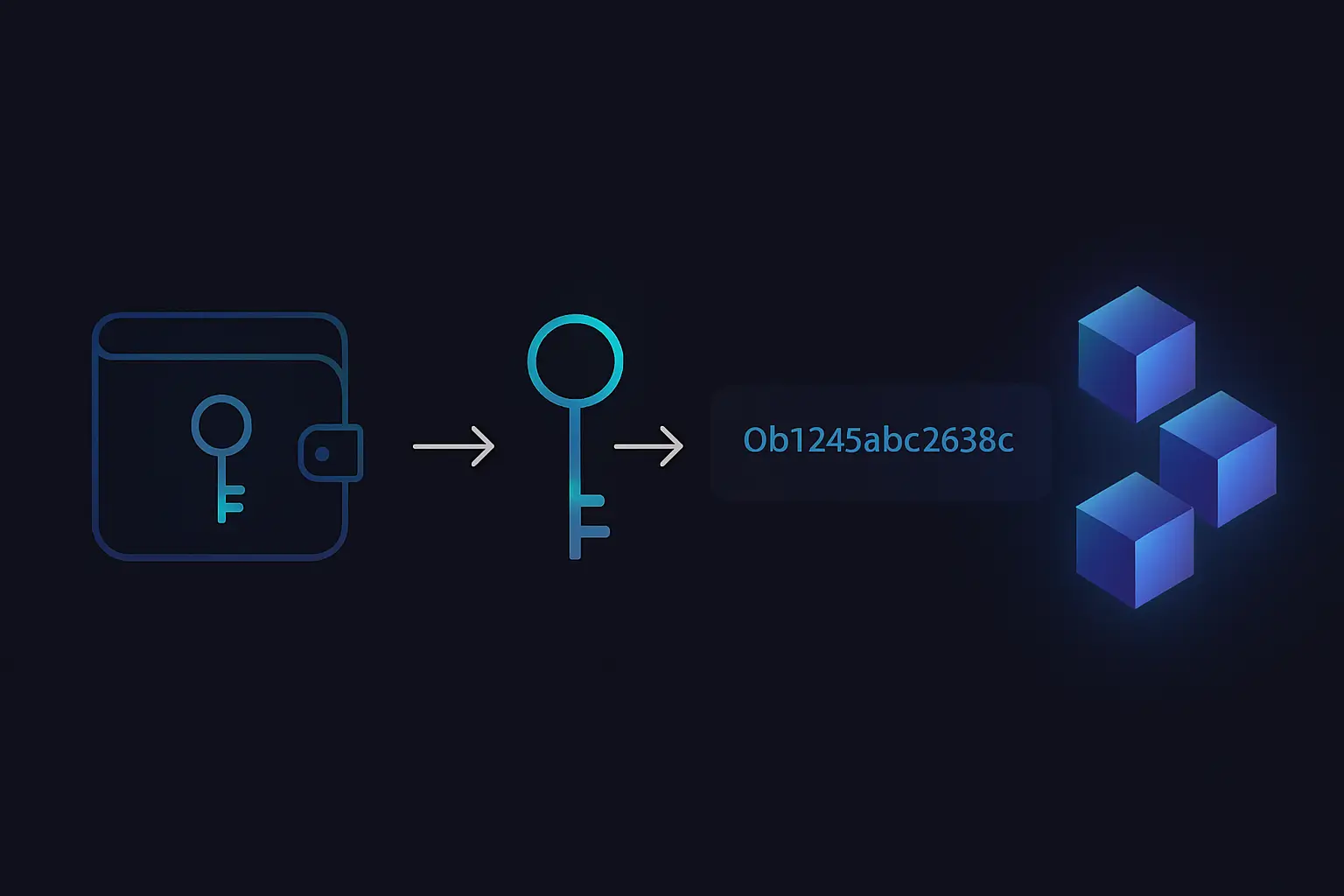
Behind every crypto address there is a pair of cryptographic keys: a public key and a private key. Your wallet software generates this key pair using strong random numbers when you create or restore a wallet. From the private key, the wallet derives a public key, and from the public key it derives the address using one-way mathematical functions. This means anyone can see and use the address, but no one can go backwards from the address to find your private key. The private key (or its human-readable form, the seed phrase) is what actually controls your funds. The address is just a public label that tells the blockchain where to associate balances and transactions.
Article illustration
Keys To Address Flow
  • You paste or scan the recipient’s crypto address into your wallet and choose the correct coin and network.
  • Your wallet builds a transaction that says “move X amount of this asset from my address to the recipient address” and signs it with your private key.
  • The signed transaction is broadcast to the blockchain network, where nodes check that the signature is valid and you have enough balance.
  • Miners or validators include the transaction in a block, after which it gains confirmations and becomes very hard or impossible to reverse.
  • Once confirmed, the blockchain’s state updates so that the recipient address now shows the new funds and your address shows the reduced balance.
Funds do not literally sit “inside” your wallet app or inside the address; they exist as entries in the shared blockchain ledger. Your private key simply proves to the network that you are allowed to move funds associated with certain addresses. An address is like a label or slot in this global ledger that can hold balances and transaction history. When you send or receive crypto, you are updating who controls which labeled slots on the blockchain, not moving physical coins around.

Types of Crypto Addresses and Networks

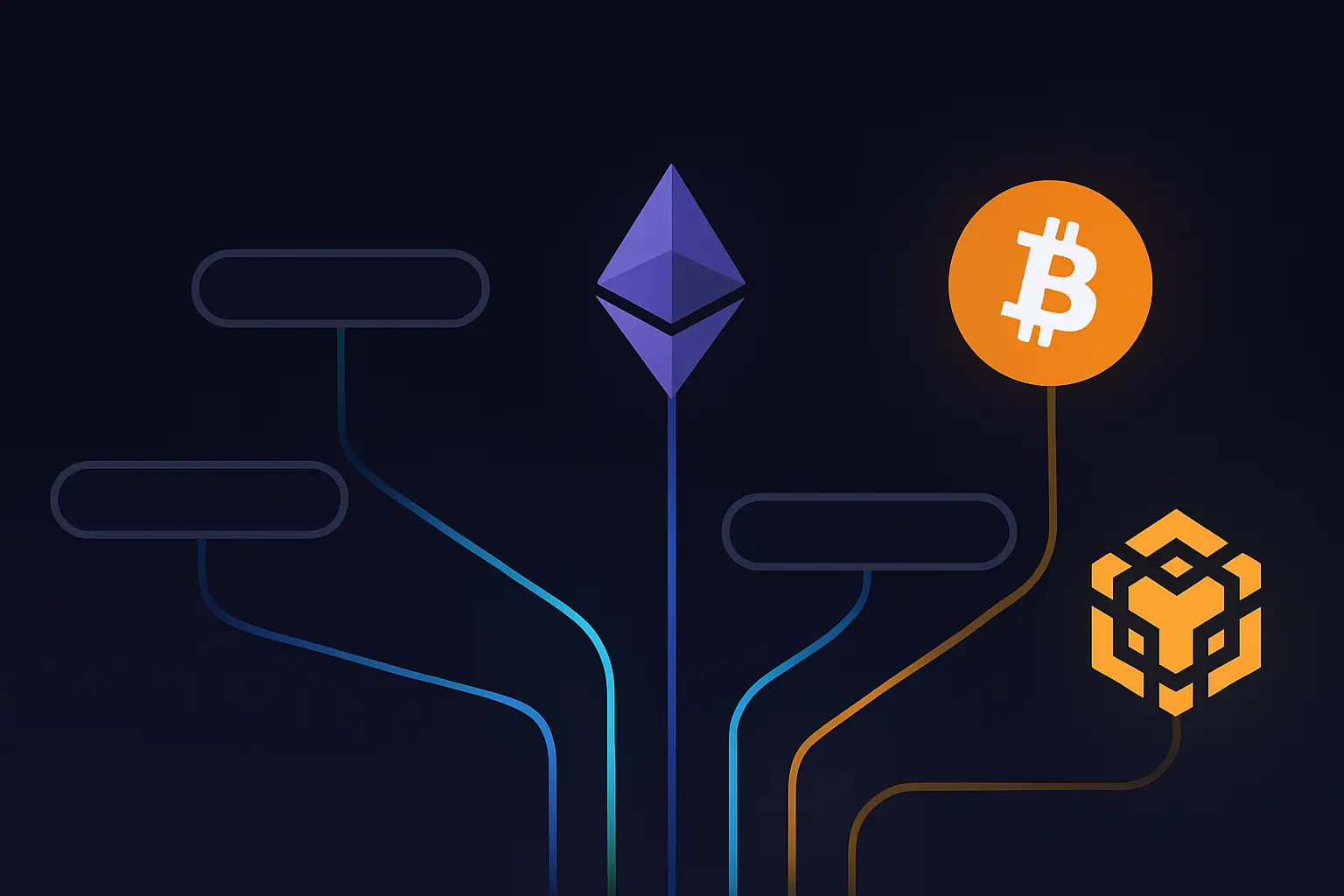
Not all crypto addresses are compatible with each other. Each blockchain, and sometimes each address type within a blockchain, follows its own rules and formats. Bitcoin has several address styles that all represent BTC, while Ethereum-style addresses can be reused across multiple EVM-compatible networks like Polygon or BNB Chain. However, sending coins on the wrong network, even to an address that looks similar, can result in funds being lost or hard to recover. This is why wallets and exchanges often ask you to choose both the asset and the network before withdrawing or depositing. Always make sure the network you select matches the network of the address you are using.
  • Bitcoin legacy vs SegWit addresses: different prefixes (1, 3, bc1) but all used for BTC; some older services may not support the newest formats.
  • Ethereum / EVM addresses: 0x-style addresses used on Ethereum and many compatible chains, but the network (ETH, BNB Chain, Polygon, etc.) must still be chosen correctly.
  • Exchange deposit addresses with memo/tag: some coins like XRP or XLM require both an address and a memo/tag to credit your specific account.
  • Network-specific formats: blockchains like Solana, Cardano, or Tron use their own unique address styles that are not interchangeable with BTC or ETH formats.
  • Smart contract addresses: on some chains, contracts have addresses too; sending to them may behave differently than sending to a normal user wallet.
Article illustration
Addresses And Networks

Everyday Uses of Crypto Addresses

You will encounter crypto addresses anytime you move coins on or off an exchange, pay someone, or connect to a Web3 app. They are the basic building blocks of almost every real-world crypto action. Understanding how to read, share, and verify addresses makes everyday tasks like getting paid, investing, or donating much safer and less stressful. Instead of guessing, you will know exactly what to check before you hit Send.

Use Cases

  • Sharing your wallet address with a client so they can pay you in stablecoins or another cryptocurrency for freelance work.
  • Sending coins from a centralized exchange to your personal wallet address for long-term holding or self-custody.
  • Paying friends or family by scanning their QR code address in a mobile wallet instead of using bank transfers.
  • Depositing funds to a DeFi protocol by connecting a wallet that controls a specific address and approving transactions from it.
  • Donating to a charity that publishes verified crypto addresses on its official website or social channels.
  • Receiving staking rewards or airdrops to the same address where you hold your eligible tokens.
  • Using a hardware wallet that generates addresses for you, then copying those addresses into other apps for secure receiving and sending.

Case Study / Story
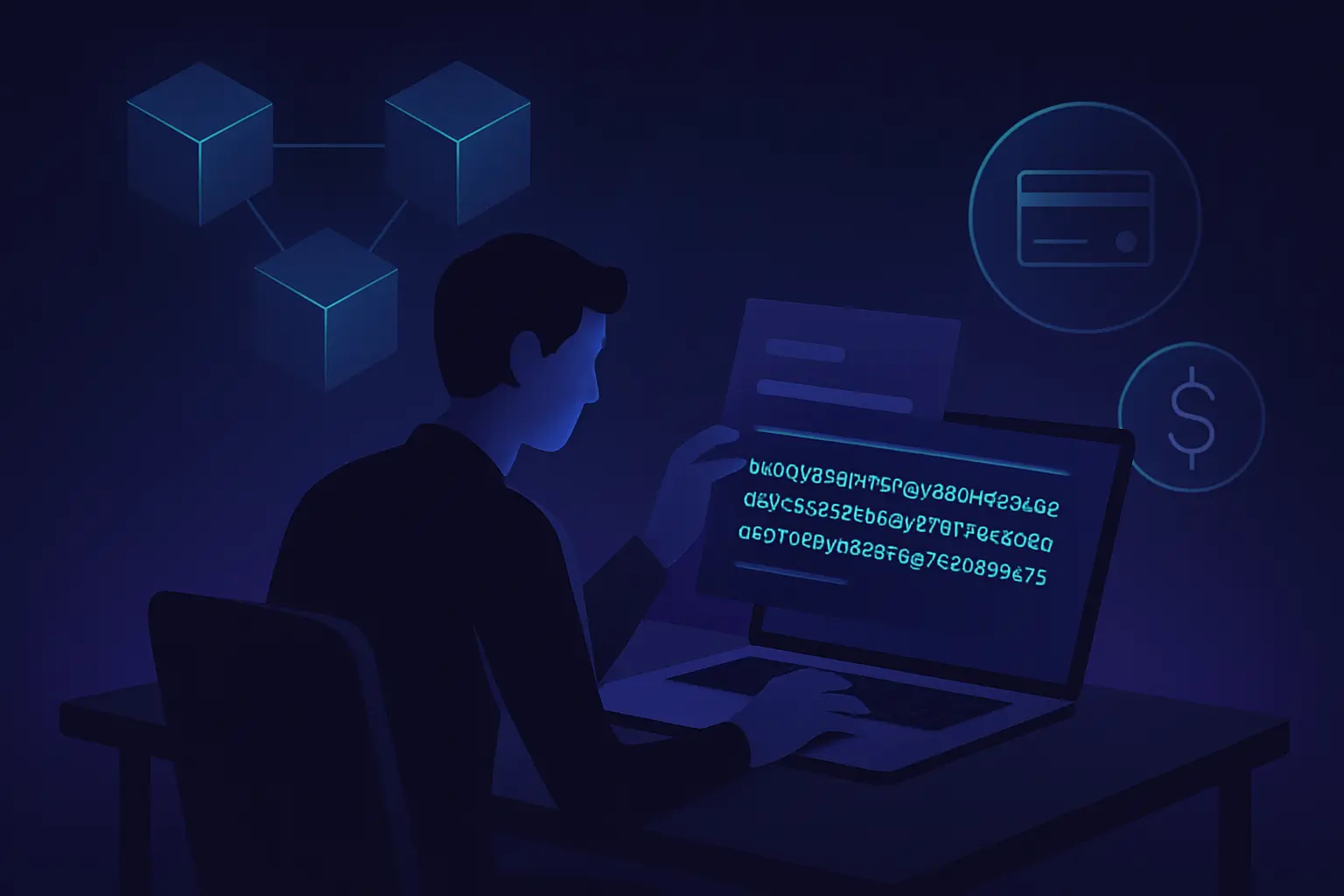
Marcos, a freelance developer from Brazil, decided to accept crypto so clients could pay him from anywhere without bank delays. When he opened his first wallet, he saw a long 0x-style address and a QR code, and felt unsure whether this was really all he needed to get paid. His confusion grew when one client asked for a Bitcoin address, another wanted to pay in USDT on Ethereum, and an exchange showed him different deposit addresses with network choices. Marcos worried that a single mistake could send his hard-earned money to the wrong place forever. Instead of rushing, he spent an evening reading about crypto addresses, public and private keys, and network types. He created a simple checklist: always confirm the coin and network, copy-paste the address, verify the first and last characters, and start with a small test payment. A week later, a new client almost sent ETH to Marcos’s BTC address from an exchange. Because Marcos had already shared clear instructions and double-checked the invoice, they caught the issue in time and used the correct Ethereum address. That experience convinced Marcos that a little learning upfront can prevent very expensive mistakes.
Article illustration
Marcos Learns Addresses

Using Crypto Addresses Step by Step

Most wallets and exchanges follow a similar flow when you send or receive crypto, even if the buttons and screens look slightly different. Once you understand the core steps, you can adapt to almost any interface. The most important part is not memorizing where every icon is, but building habits around address verification, network selection, and test transactions. These habits stay the same even as apps and platforms change over time.
  • Get the correct recipient address from your contact, invoice, or exchange deposit page, and confirm which coin and network it is for.
  • In your wallet or exchange, choose the asset you want to send and select the matching network (for example, USDT on Ethereum vs USDT on Tron).
  • Copy the address using the copy button or scan the QR code; avoid typing the address manually whenever possible.
  • Paste the address into the recipient field, then compare the first and last 4–6 characters with the original source to make sure they match.
  • If the amount is significant, send a small test transaction first and wait until it arrives and is confirmed on the recipient side.
  • Once the test is successful, send the full amount, review all details on the confirmation screen, and only then approve or sign the transaction.
When receiving funds, always share your address using the wallet’s copy button or by letting the sender scan your QR code. This reduces the risk of typos or missing characters. Avoid sending screenshots or typing addresses by hand, and never paste an address from a random website or chat unless you are absolutely sure it belongs to you or your counterparty.

Risks, Mistakes, and Security Around Addresses

Primary Risk Factors

Most blockchain transactions are final once confirmed, with no built-in undo button. That makes address-related mistakes some of the most painful errors in crypto. The good news is that most of these risks can be avoided with a few simple habits: always copy from a trusted source, double-check the address and network, and be suspicious of anything that asks for your private key or seed phrase.

Primary Risk Factors

Typos or missing characters
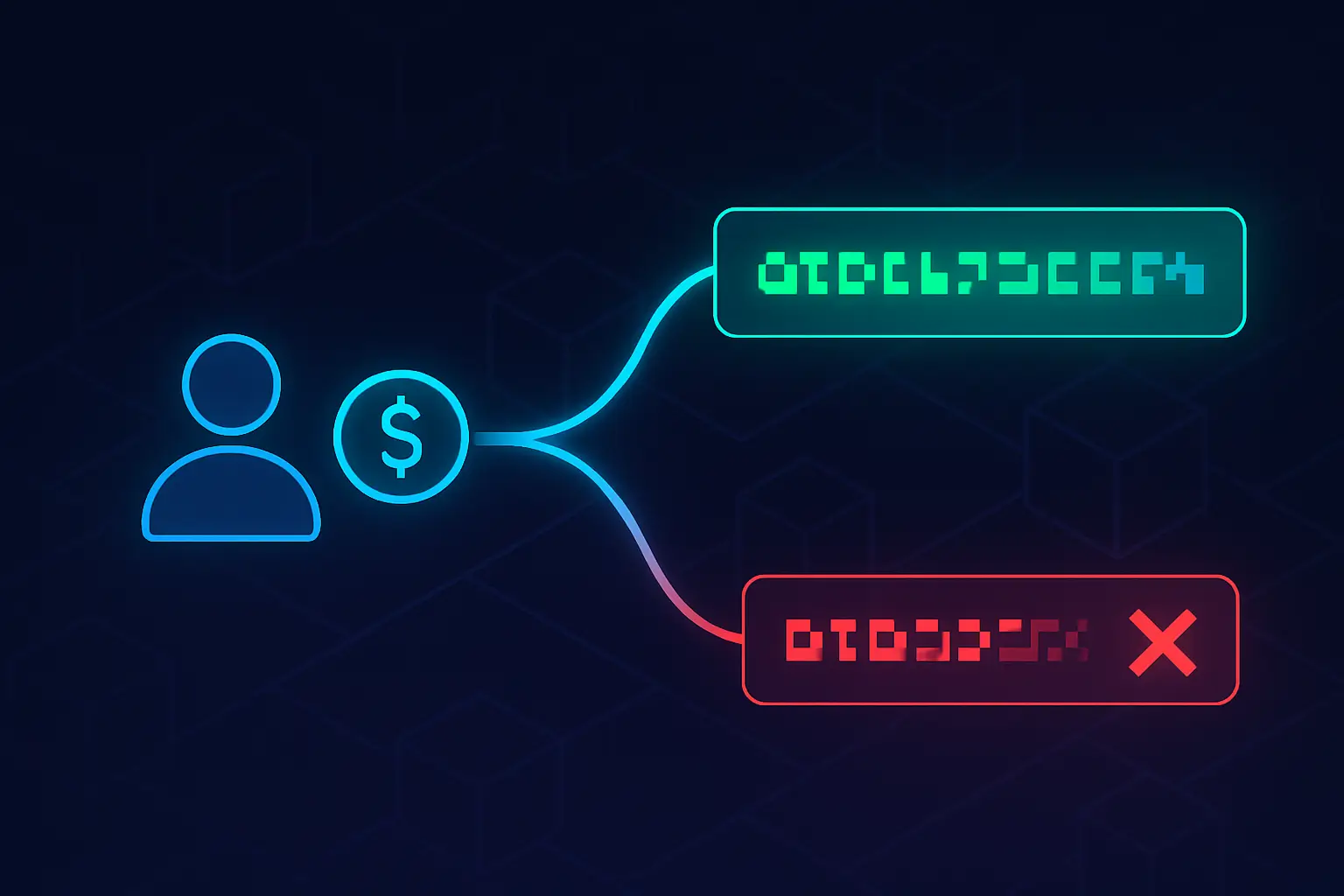
Typing an address by hand or editing it can create an invalid or wrong destination, causing funds to be lost. Always use copy-paste or QR scanning and verify the first and last characters.
Wrong coin or network
Sending a token on the wrong network (for example, ETH to a BTC address, or USDT on Tron to an ETH-only wallet) can make funds inaccessible. Double-check that the selected network matches the address and the recipient’s instructions.
Malicious address replacement (clipboard hijacking)
Malware can replace a copied address with an attacker’s address. After pasting, always compare the first and last few characters with the original source before sending.
Sending to a contract or unsupported address
Some addresses belong to smart contracts or services that do not support direct deposits of certain tokens. Check the recipient’s documentation or do a small test transaction first.
Exposing private key or seed phrase
Sharing your private key or seed phrase lets attackers control all addresses derived from it, regardless of the public address shown. Never enter these secrets into websites, chats, or apps you do not fully trust.

Security Best Practices

  • Build a small routine around every send: use an address book or saved contacts for people you pay often, and still verify the first and last characters each time. For new or large payments, always start with a small test transaction before sending the full amount.
Article illustration
Avoid Address Traps

Advantages and Limitations of Crypto Addresses

Pros

Addresses enable borderless payments that can be sent and received anywhere with an internet connection.
No bank or central party can easily block or reverse a valid transaction once it is confirmed on the blockchain.
Addresses provide a level of pseudonymity, because they are not automatically tied to your real name.
You can generate many new addresses from your wallet without asking permission or filling out forms.
Standardized address formats make it possible for many different wallets and services to interoperate.

Cons

Addresses are long and complex, which makes them hard to read and easy to mishandle for beginners.
Transactions are usually irreversible, so a single wrong character or network choice can cause permanent loss.
Different coins and networks use incompatible address formats, leading to confusion when withdrawing or depositing.
Public visibility of address balances can reduce privacy if your real identity becomes linked to an address.
Users must understand basic security around private keys and seed phrases, which is unfamiliar compared to traditional banking.

Crypto Addresses vs. Traditional Account Identifiers

Aspect Crypto Address Bank Account Number Email Address Who controls it Generated and controlled by the user’s wallet and private keys; no central owner by default. Issued and ultimately controlled by a bank under local regulations. Issued by an email provider; control depends on the provider’s policies and your login access. Reversibility of mistakes Transactions are usually irreversible once confirmed; no built-in chargebacks. Banks can sometimes reverse or dispute transfers, especially within the same country or network. Emails can be deleted or ignored, but once sent, they cannot be technically “unsent” for everyone. Public visibility Balances and transactions are publicly visible on the blockchain for anyone who knows the address. Balances and detailed history are private to the bank and account holder. Message contents are private to sender, receiver, and email provider; addresses themselves are often public. Privacy and identity Pseudonymous by default; identity is separate but can be linked through usage or KYC data. Strongly tied to legal identity, KYC, and banking records. Often linked to your name or profiles, but you can create aliases with varying levels of anonymity. Ease of use Long, complex strings; improving with naming services and better wallet UX. Structured but still complex; often copied via forms and templates. Human-readable, easy to remember and share verbally or in writing.
Article illustration
Comparing Address Systems

Human-Readable Names and the Future of Addresses

Because raw crypto addresses are hard to read, new systems map them to human-friendly names. Services like ENS on Ethereum let you register names such as “alice.eth” and point them to one or more underlying addresses. Other ecosystems have similar naming systems, and some wallets now let you send to a name instead of pasting a long string. This feels more like sending to an email address and reduces the chance of typos or copying the wrong address. However, these names come with their own trade-offs. Names can expire, be misconfigured, or be registered by scammers who choose look-alike names to trick users. Always verify that a name belongs to the person or project you think it does, ideally through official websites or social links, and remember that the underlying address and network still matter.

Crypto Address FAQ

Key Takeaways: Using Crypto Addresses with Confidence

May Be Suitable For

  • New crypto users who want to send and receive coins safely
  • Freelancers and small businesses accepting crypto payments from clients
  • Exchange users moving funds to self-custody wallets
  • People confused by different address formats and networks

May Not Be Suitable For

  • Developers looking for deep cryptography or protocol-level details
  • Traders needing advanced on-chain analysis or forensics
  • Users seeking tax or legal advice about crypto transactions
  • People who only use custodial apps and never handle addresses directly

Crypto addresses may look intimidating at first, but they are just structured labels that tell the blockchain where to send and track funds. You do not need to memorize them or understand every technical detail to use them safely. By grasping the basics of public vs private keys, recognizing common address formats, and always matching the right coin and network, you avoid most serious mistakes. Combine that knowledge with small test transactions and simple verification habits, and using crypto addresses becomes a routine, low-stress part of your financial life.

© 2025 Tokenoversity. All rights reserved.