A crypto wallet is a tool that lets you control your digital money on the blockchain using special secrets called keys. It does not actually hold coins inside it, but it proves to the network that you are the owner allowed to move those coins. When you leave funds on an exchange, the company holds the keys, not you, so you are trusting them to keep your assets safe and available. Using your own wallet means you control the keys yourself, which brings more freedom but also more responsibility. You will often hear about hot wallets and cold wallets, which simply describes whether your keys are stored on an internet-connected device or kept offline. Understanding this hot vs cold choice helps you balance convenience for daily use with stronger security for long-term savings. In this guide, you will see how wallets work, what the main types are, and how to build a simple setup that uses both hot and cold wallets in a way that fits your life.
Quick Verdict: Hot vs Cold Wallets at a Glance
Summary
- A crypto wallet stores your private keys, which prove you own coins on the blockchain, not the coins themselves.
- Hot wallets (mobile, desktop, browser, web) stay connected to the internet and are great for daily spending, trading, and DeFi.
- Cold wallets (hardware, paper, air-gapped) keep keys offline and are better for large balances and long-term savings.
- Keeping everything in a hot wallet is convenient but exposes you more to hacks, malware, and phishing attacks.
- Keeping everything in cold storage is safer but less practical for frequent transactions or DeFi activity.
- Rule of thumb: small, active funds in hot wallets; big, important holdings in cold wallets with a solid backup.
Crypto Wallet Basics: What You Really Own
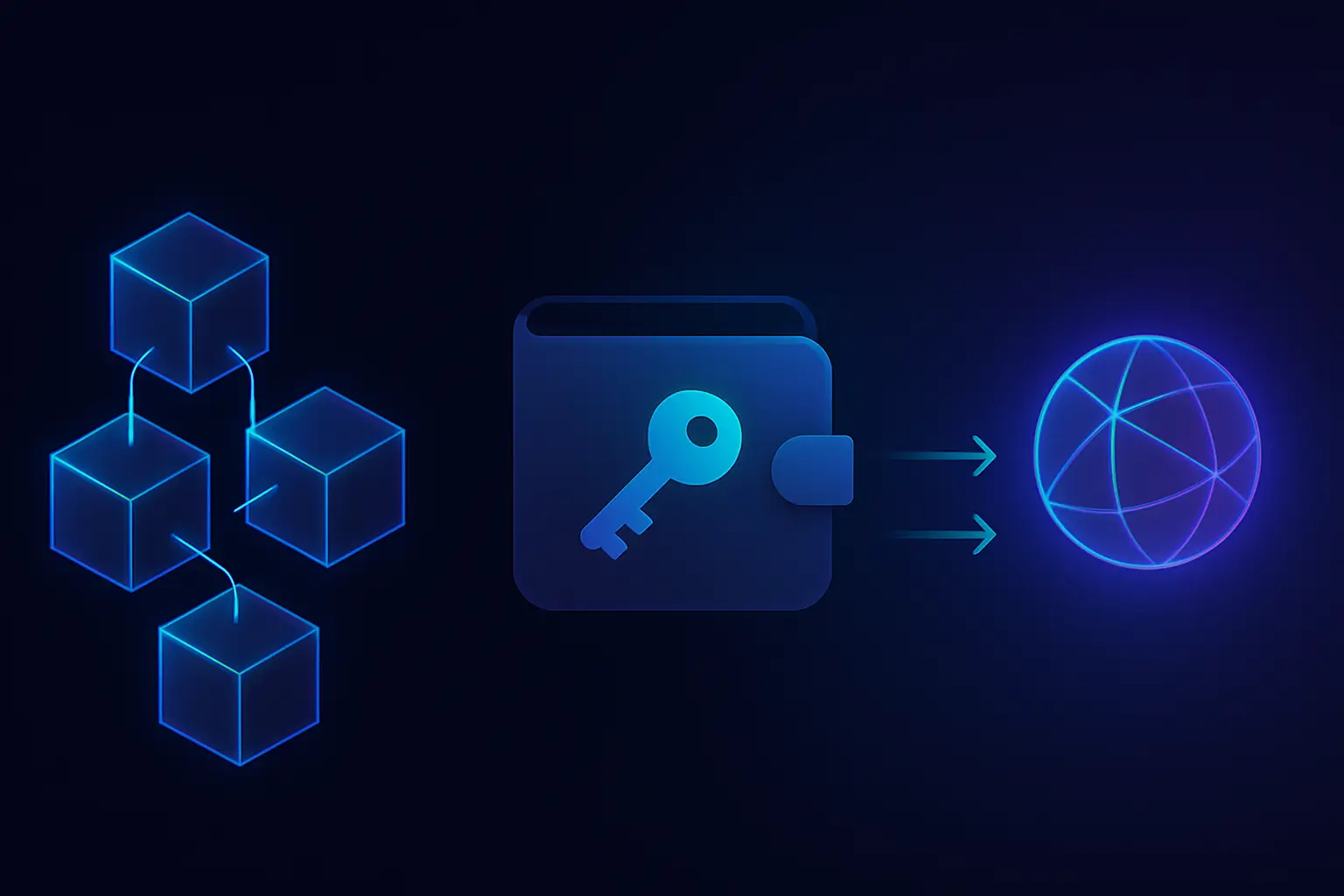
Pro Tip:Never share your private key or seed phrase with anyone, for any reason. No real support agent, exchange, or DeFi project will ever need it to “help” you. If a website, app, or person asks for your seed phrase, treat it as a guaranteed scam and leave immediately.
Types of Crypto Wallets: Hot, Cold, and More
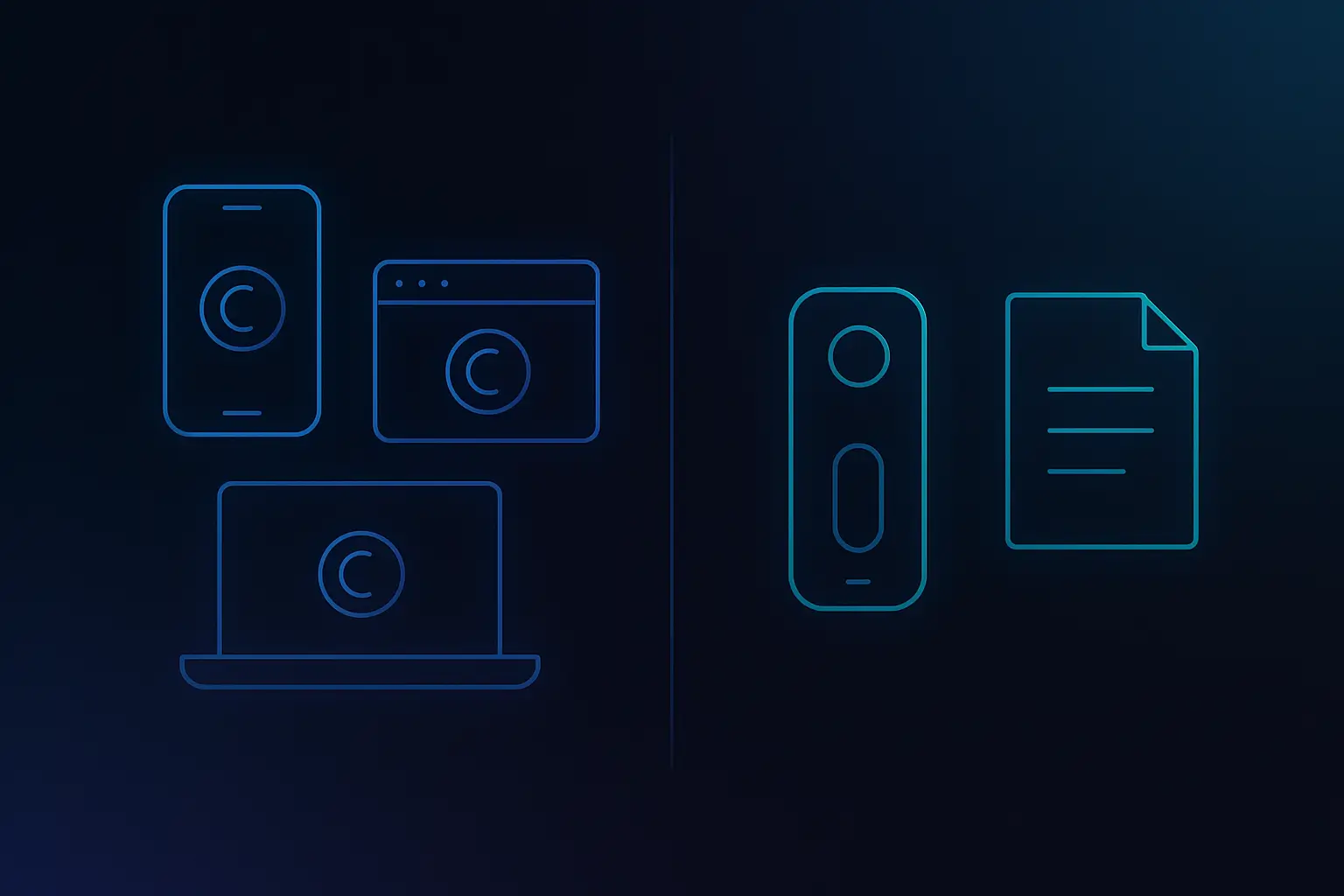
- Mobile wallet app (hot): runs on your phone, easy for payments and DeFi on the go but exposed to mobile malware and loss.
- Desktop wallet app (hot): installed on your computer, good for more advanced users who secure their devices well.
- Browser extension wallet (hot): plugs into your web browser, commonly used for DeFi, NFTs, and dApps but often targeted by phishing sites.
- Web wallet (hot): accessed through a website, convenient but you depend heavily on the site’s security and uptime.
- Exchange wallet (custodial, usually hot): the exchange holds your keys, simple for beginners but you must trust the company fully.
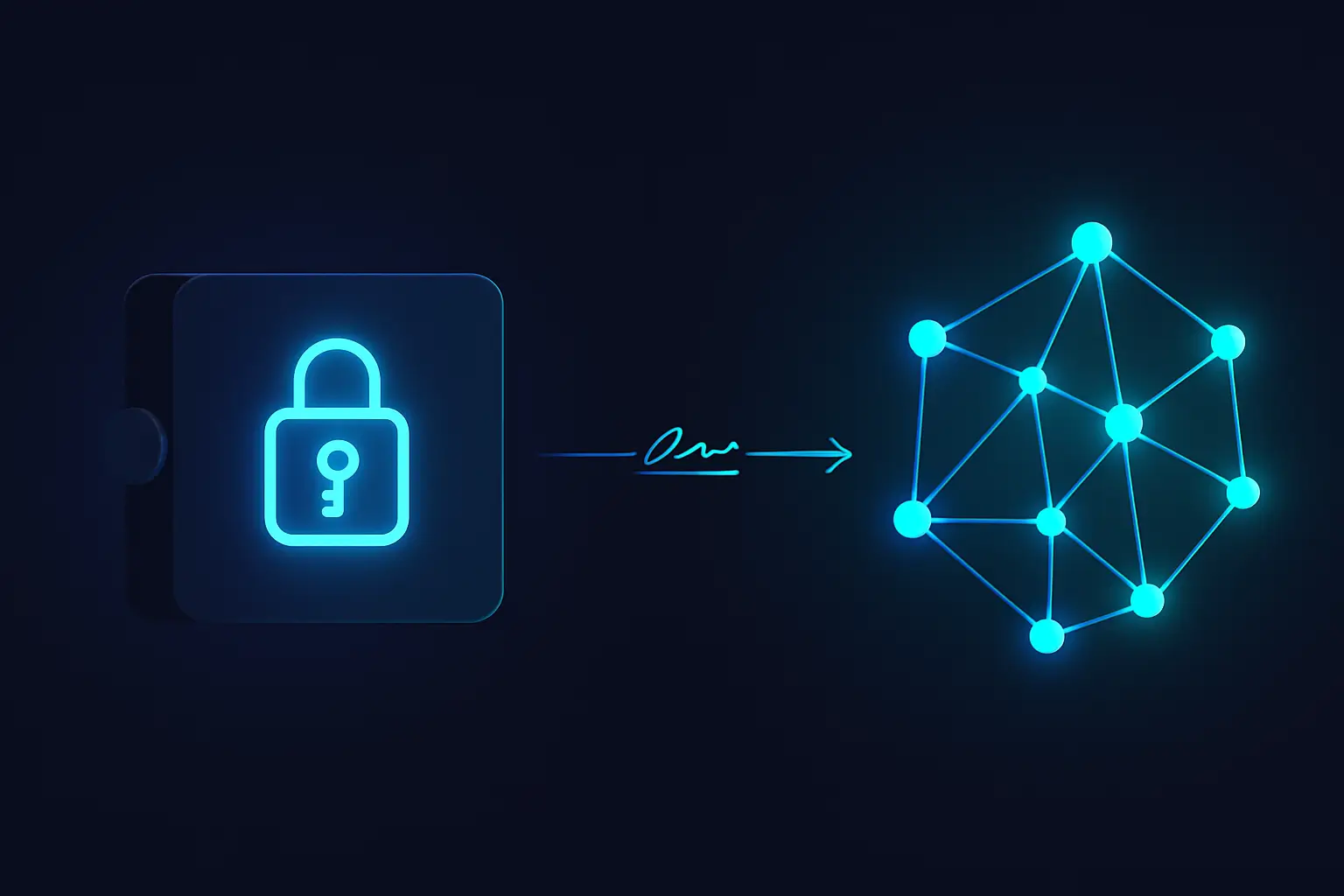
- Hardware wallet (cold): a small physical device that stores keys offline and signs transactions, ideal for long-term savings and larger amounts.
- Paper wallet (cold): keys or seed phrase written or printed on paper, offline but fragile and easy to lose or damage.
- Multi‑sig wallet: requires multiple approvals (for example, 2 of 3 keys) to move funds, useful for teams, DAOs, or shared control.
Hot Wallets Explained: Always Connected, Easy to Use
- Very convenient for daily use, quick transfers, and checking balances on the go.
- Best way to interact with DeFi, NFTs, and dApps that require frequent signing of transactions.
- Usually free to download and simple to set up, making them beginner-friendly.
- Higher exposure to hacks, malware, and phishing because keys live on an online device.
- If your phone or laptop is lost, stolen, or infected, your funds can be at risk without a proper backup and security habits.

Cold Wallets Explained: Offline Storage for Long-Term Safety
- Much stronger protection against online hacks and malware because keys stay offline.
- Well-suited for long-term savings, emergency funds, and large holdings you rarely move.
- Hardware wallets have an upfront cost and require a bit more time to learn and set up correctly.
- Less convenient for frequent trading or DeFi, since you must connect and approve actions each time.
- If the device or paper backup is lost, damaged, or stolen and you lack a seed phrase, your funds are gone permanently.
Hot vs Cold Wallets: Side-by-Side Comparison

Case Study / Story

Practical Use Cases: Which Wallet for Which Job?
There is no single “best” wallet for everyone, because different tasks have different needs. A setup that works for a daily trader is very different from what a long-term saver or NFT collector needs. By matching each use case with a suitable wallet type, you can keep life simple while still improving your overall security and convenience.
Use Cases
- Small daily payments to friends or merchants: mobile hot wallet with a modest balance for quick QR or address payments.
- Active DeFi trading and yield farming: browser extension or web hot wallet connected to dApps, with only the funds you actively use.
- Long-term Bitcoin or major coin savings: hardware wallet or other cold storage with a well-protected seed phrase backup.
- NFT collecting and minting: browser or mobile hot wallet dedicated to NFTs, plus a separate cold wallet for your most valuable pieces.
- Emergency or “do not touch” funds: cold wallet with seed phrase stored in two secure, offline locations, rarely connected.
- Shared treasury for a team, DAO, or family: multi‑sig wallet where several people must approve transactions, combined with hardware devices for key holders.
How to Set Up and Back Up a Wallet Safely
- Download the wallet app or buy the hardware wallet only from official websites, app stores, or trusted retailers.
- Verify you have the correct app or device (check reviews, publisher name, and links from the project’s official site).
- Install and open the wallet, then choose “create new wallet” rather than importing anything you do not recognize.
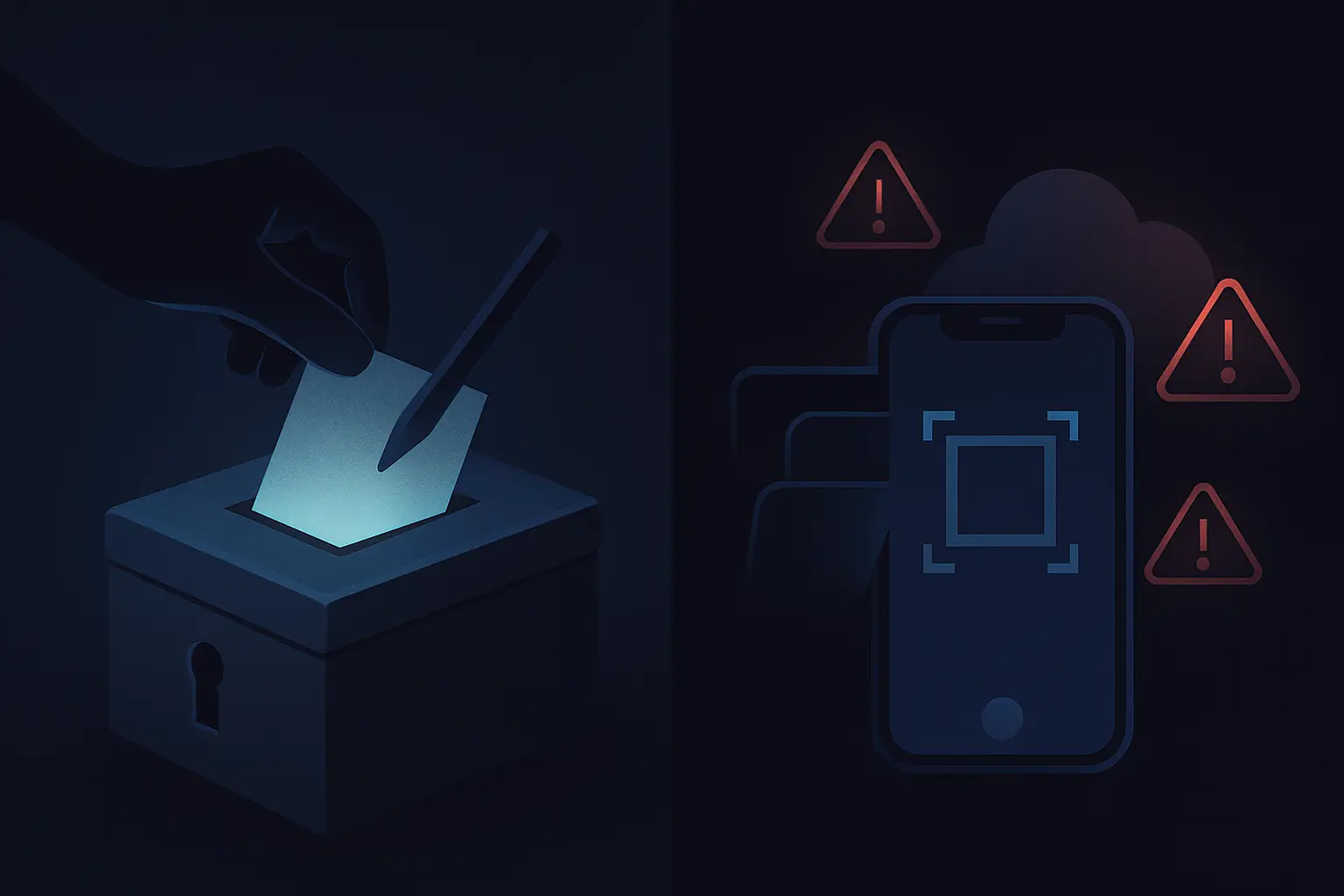
- When the seed phrase appears, write it down on paper by hand while offline; never screenshot, photograph, or store it in cloud notes.
- Store the written seed phrase in at least two separate, secure physical locations to protect against fire, theft, or loss.
- Set a strong PIN, password, or biometric lock on your wallet and the device it runs on.
- Send a very small test transaction from your exchange or old wallet to the new one, then back again, to confirm everything works.
- Only after you are confident in your backup and test transactions should you move larger amounts into the new wallet.
Risks and Security: What Can Go Wrong and How to Reduce It
Primary Risk Factors
Both hot and cold wallets can fail you if your habits are weak. Hot wallets are more exposed to online threats, while cold wallets are more exposed to physical loss and backup mistakes. By knowing the main risk categories and how to reduce them, you can turn your wallet setup from something fragile into something resilient.
Primary Risk Factors
Security Best Practices
- Reduce risk by splitting funds: keep small, active amounts in hot wallets you use often, and move larger, long-term holdings to cold storage with strong physical security and backups.
Pros and Cons of Managing Your Own Wallet
Pros
Cons
FAQ: Common Questions About Crypto Wallets
Putting It Together: Building Your Wallet Setup
May Be Suitable For
May Not Be Suitable For
- Traders needing advanced, automated custody solutions
- Institutions or DAOs that require specialized multi-sig or custodial services
- Users seeking tax or legal advice about holding crypto
A crypto wallet is ultimately a way to hold and protect your keys, which are the real source of control over your coins on the blockchain. Hot wallets trade some security for convenience, while cold wallets trade some convenience for stronger protection. For most people, the best approach is a simple mix: a trusted hot wallet with small, active funds and a hardware or other cold wallet for long-term savings. Start with tiny test amounts, practice restoring from your seed phrase, and then gradually move more value as your confidence and habits improve.