Hyperliquid vs. Binance
Direct comparison for active traders: KYC, custody, fees, speed, and practical switching path
Switch from Binance to Hyperliquid - no KYC, same trading experience
- Understand the key differences
- Decide if Hyperliquid fits your trading
- Start trading through Quick Start
- Keep Binance for fiat, use Hyperliquid for perps
Most active traders switching from Binance end up using Hyperliquid for perps trading.
Follow the Quick Start -> first trade in ~10-15 minutes
Already familiar with trading?Open Hyperliquid directly
No account. No KYC
Just connect your wallet

Add funds (USDC)
Deposit only what you trade

Open your first position
Same trading flow, less friction

Binance is where many traders start.
Hyperliquid is what many active traders compare it against when they want fewer account restrictions, direct custody, and a more on-chain trading model.
The key question:
what actually changes when you move from Binance to Hyperliquid?

For active trading, Hyperliquid gives you a fast trading experience that feels close to Binance - but without mandatory verification, without platform custody, and without the same exchange-side account restriction risk.
The main trade-off: more control means more personal responsibility.
KYC: Binance requires documents, Hyperliquid - no
Binance asks for a government ID, a selfie, and sometimes proof of address before you can trade.
Even after approval, re-verification can happen again - that is part of the centralized model.
If documents do not match or policy changes, access can be restricted quickly.


Passport / selfie / address
Manual approval
Can be requested anytime
Access can be restricted quickly


No registration, no documents
No approval queue
Start right away
No repeat KYC
No account to re-verify

No KYC before you start trading.
You connect a wallet instead of creating an account - no documents, no waiting, and no repeat verification.
{{ 'Custody: Binance holds your money. Hyperliquid doesn't.' | translate }}
On Binance, the crypto leaves your wallet and becomes an IOU on their internal ledger.
On Hyperliquid, your USDC sits in a smart contract that nobody controls unilaterally. You can withdraw anytime, and no person or company can stop it.

You deposit

internal ledger

Binance holds your funds
- Freeze withdrawals
- Close account
- Lose funds in a hack
- Halt trading
- Block based on IP, nationality, or policy

You deposit

(bridge)

You withdraw anytime
Control stays with you.
Funds do not become an internal exchange balance - they stay in the smart contract controlled by your wallet.
Access: Binance can restrict access, Hyperliquid cannot.
Binance can be unavailable or restricted in certain countries and regions: the US uses Binance.US, access is limited in Ontario, and the UK has separate restrictions for derivatives.
Even if the site opens, access to products can depend on country, IP, account rules, and verification requirements.
Hyperliquid does not use the same account gate: you connect a wallet and work with the system directly.
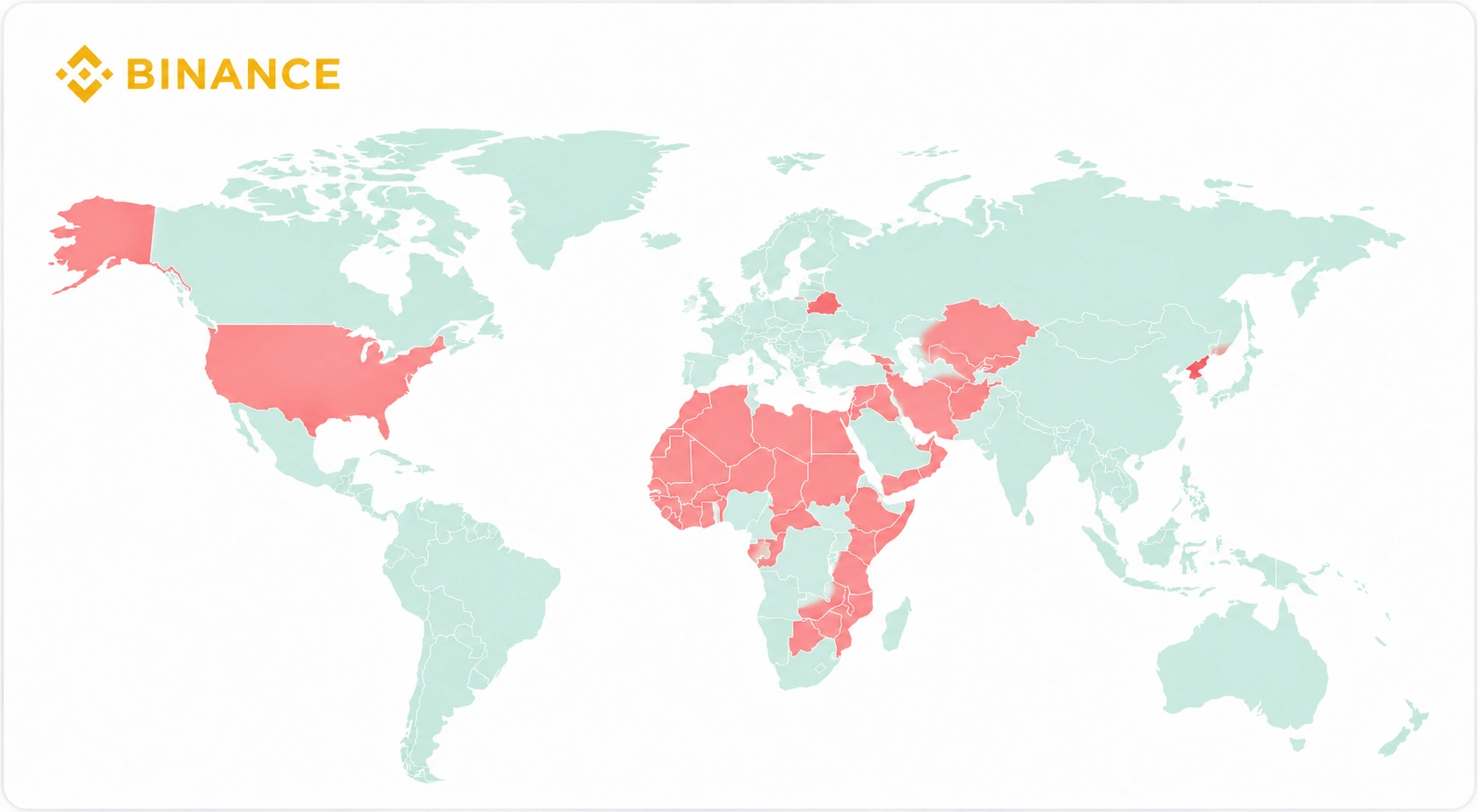
US through Binance.US, separate restrictions in Canada, the UK, and other regions.
Access depends on country, account, IP, and platform rules.
Rules can change.

No account that needs regional approval.
No mandatory KYC check before you start.
You connect a wallet and get access to the trading interface.
Less restrictions on entry.
Access is not built around an account, a passport, or a regional approval flow. You connect a wallet and move straight to trading.
Speed: effectively tied for manual trading
Binance is known for a very fast matching engine.
Hyperliquid works differently: trades execute on its own L1 system with sub-second finality.
In practice, for a person clicking through the interface, both platforms feel fast enough.
Fast matching engine
Orders are processed very quickly inside a centralized system.
For manual trading, latency is usually not the main limitation.
Fast on-chain execution
{{ 'Trades go through Hyperliquid's own L1 system and reach finality in under a second.' | translate }}
For manual trading, the interface feels similarly fast.
Speed without the CEX model.
You get a fast trading experience, while execution and position state remain part of an on-chain system.
Fees: base costs are lower on Hyperliquid
Lower base fees, no gas inside trading, and stackable discounts with HYPE staking and referrals.
{{ 'On a $10,000 maker order, that's $1.50 on Hyperliquid vs $2.00 on Binance.' | translate }}
Smaller variable costs.
Base fees are lower, there is no gas inside trading, and USDC withdrawal usually costs around ~$1 on Arbitrum.
Leverage: Binance wins if you want to gamble harder
{{ 'For realistic trading, this doesn't matter. Anyone using more than 20x leverage is one wick away from liquidation regardless of platform.' | translate }}
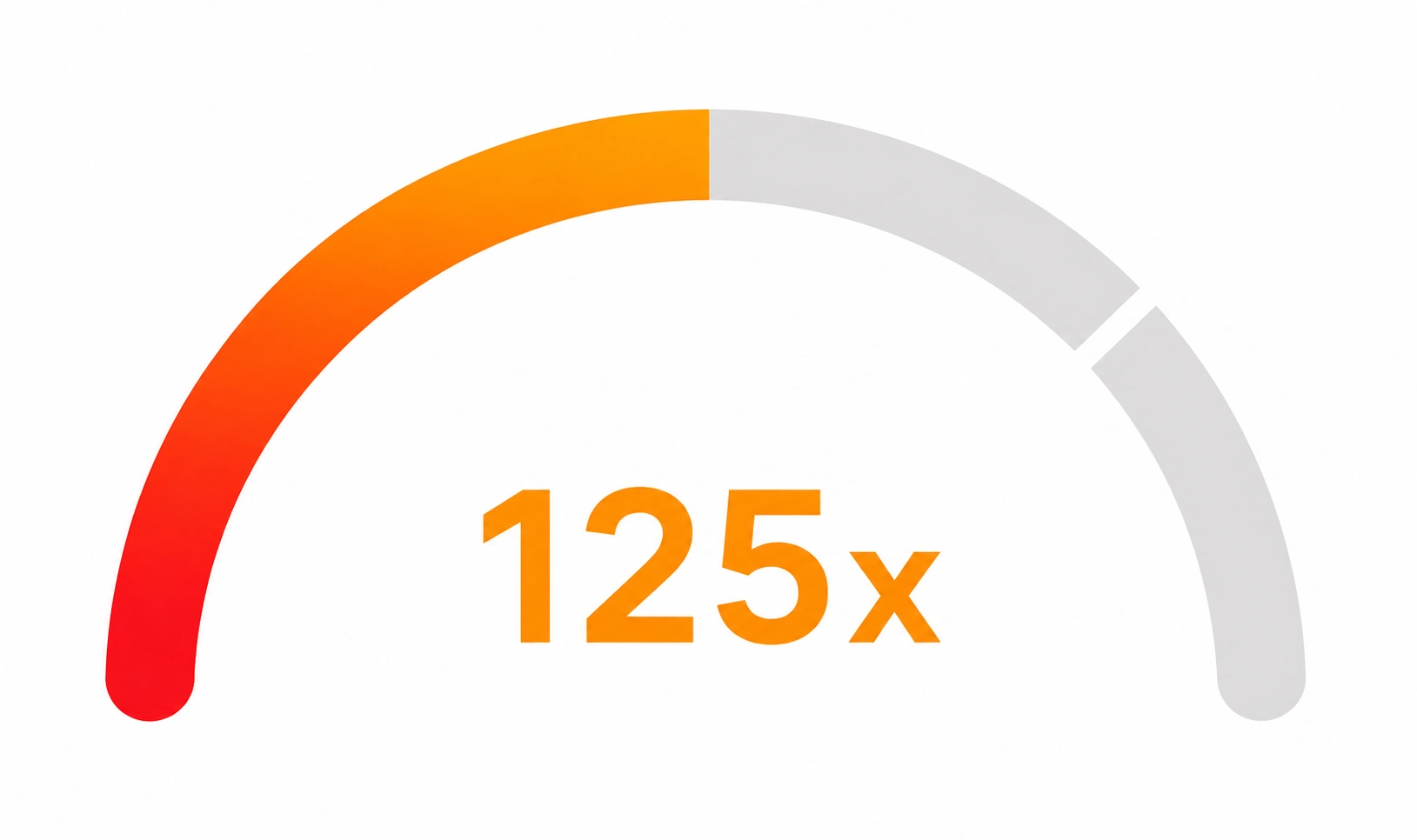
Max leverage on some pairs
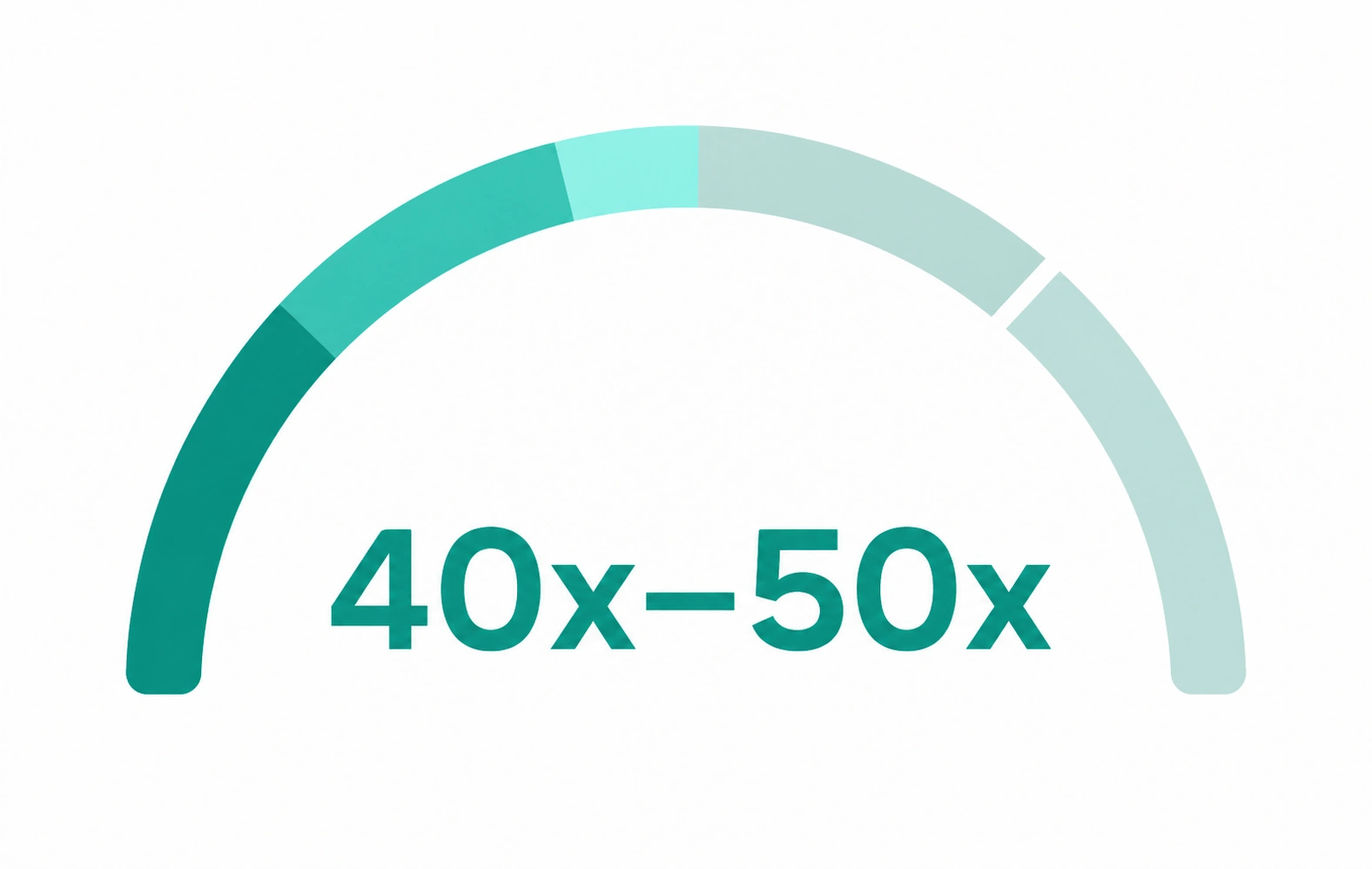
Max leverage depending on market

{{ 'Binance offers more rope. Most traders don't need it.' | translate }}
Markets: Binance has more, Hyperliquid has enough
For major pairs, both have what you need. Binance has broader long-tail coverage.
Spot pairs
Hundreds of futures markets
Perpetual markets
Major pairs covered
For majors, both are strong. Binance is broader on long-tail.
Transparency: not even close
On-chain, verifiable, and transparent on Hyperliquid vs. internal and opaque on Binance.
 Internal order book. You see what they show you
- No verifiable solvency. You must trust their reserves
- No way to audit fills. No way to verify fairness
- On-chain order book. Every trade is recorded
- {{ 'Public leaderboards. See top traders' live positions' | translate }}
- Verifiable solvency. Check it at any moment
{{ 'The FTX collapse was a reminder: "trust us" only works until it doesn't.' | translate }}
What actually affects your trading costs
It's not the platform fee. It's how you trade.

Markets you trade

Position size & leverage

How long you keep a trade open

How often you trade
For most beginners, two things dominate:
- Overtrading
- High leverage
Both cost you far more than 0.06% vs 0.05%.
The bottom line
Starting on Hyperliquid is simpler by design. You control your funds. You trade faster. You keep more.

What Binance still does better
Being fair: Binance still wins on a few things.


Most Hyperliquid users solve this by using a CEX for fiat conversion and Hyperliquid as the actual trading venue.
Which one is right for you?