From Transactions to Spending Models
A blockchain can be viewed as a shared history of state changes that everyone agrees on. Each new block adds another set of changes to that shared record.
In earlier lessons, ownership meant the ability to authorize changes to this shared state, not holding coins in a file on a device. A transaction was a signed proposal to update who controls some value, and transactions from the same sender needed to be applied in a clear order so the history stayed consistent.
- A “balance” is a convenient way to describe value, not a physical object stored somewhere on-chain.
- Blockchains commonly use two different spending models to represent that value: an account-based model and a UTXO-based model.
- These models influence how transactions are constructed, what they refer to, and how the system checks whether a transaction is valid.
Two Ways to Picture a Balance
A spending model is the rule system a blockchain uses to represent who controls value and how that representation is updated over time. It defines what “can be spent right now” means for the network.
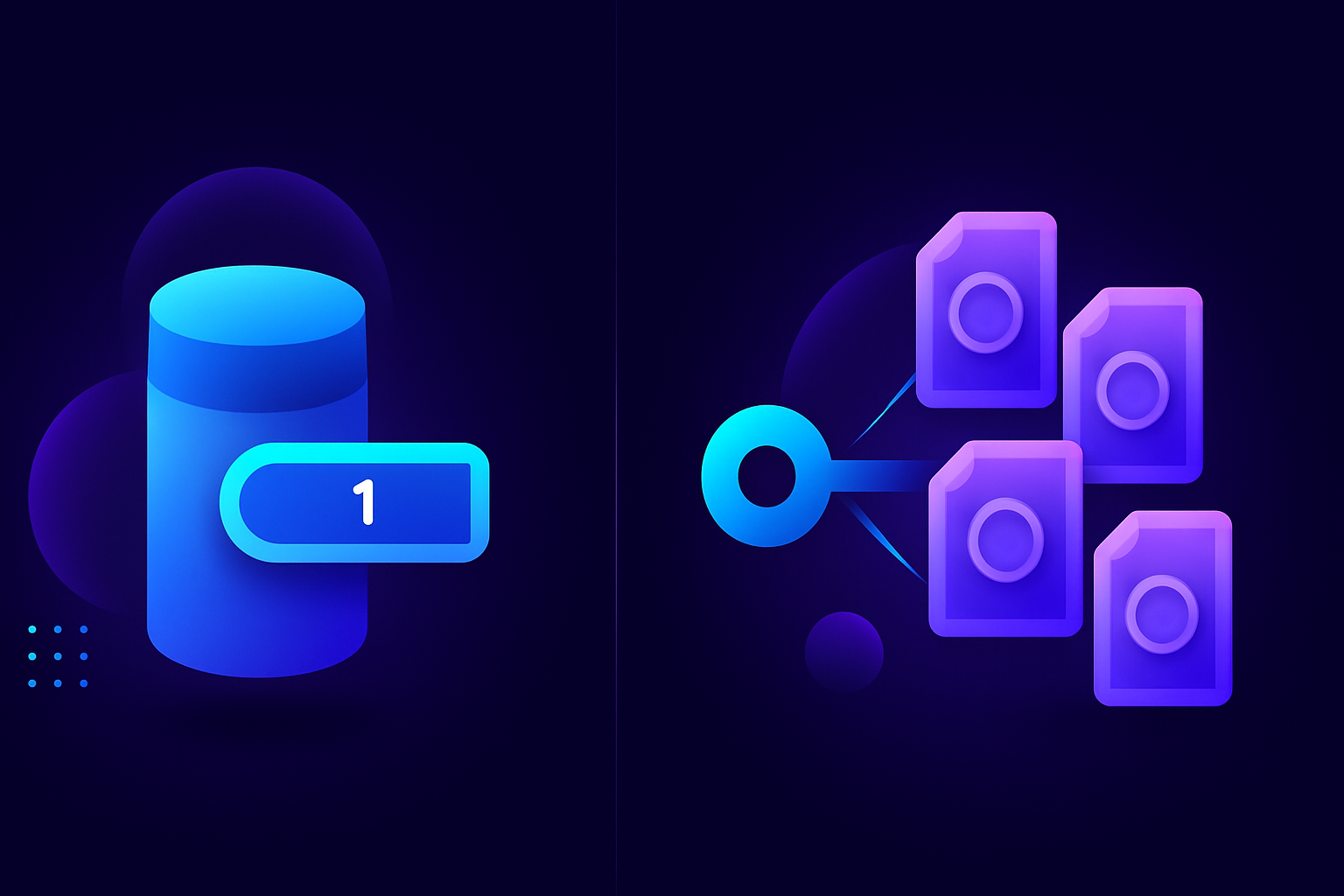
In this sense, a balance is not a single object stored on-chain, but a viewpoint on the current state. In an account-based model, each address has one evolving state, which includes its current balance. In a UTXO-based model, value is represented as many individual spendable outputs, each of which can be used once and then replaced by new outputs.
How the Account-Based Model Thinks About Spending
In an account-based model, each address has a single current state that the chain tracks, including its balance and possibly a few other simple fields. At any moment, there is exactly one latest version of that account state.
A transaction in this model is a proposal to decrease the balance of one account and increase the balance of another. When the network is ready to include the transaction, it looks up the sender’s current account state, checks that the balance is high enough, and then applies the change. Transactions are applied in order, so each new one uses the most recent account state as its starting point.
- Is this transaction actually authorized by the owner of the sending account?
- Does the sender’s current account state show a balance high enough to cover the amount being sent?
- Has this change already been applied, or can it now be applied once in the correct order after earlier transactions?

How the UTXO Model Thinks About Spending
In a UTXO model, value is tracked as many separate units called unspent transaction outputs, or UTXOs. Each UTXO is an individual piece of value that can be spent exactly once.
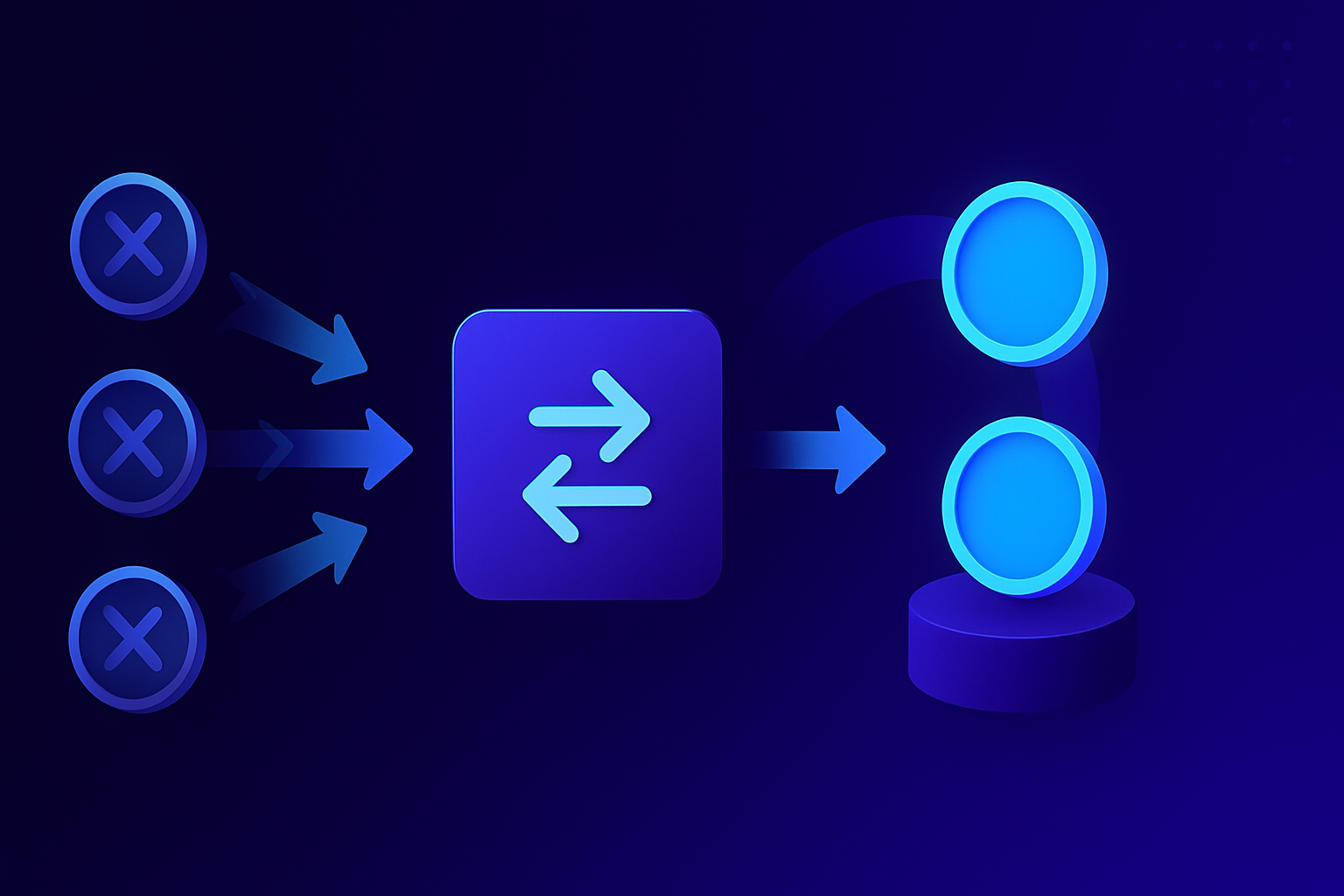
A transaction in this model works by selecting one or more existing unspent outputs as its inputs. It then creates new outputs that belong to the recipients, and often one new output that returns any leftover value back to the sender. Once an output has been used as an input to a transaction, it is marked as spent and cannot be used again; only the new outputs created by that transaction remain available for future spending.
- Each output is in one of two states: unspent and available, or spent and no longer usable.
- Several unspent outputs can be combined as inputs to reach the total amount needed for a payment.
- Any extra value beyond what is sent to others is returned as a new output, often thought of as “change” back to the original owner.
Ordering, Validity, and Why Transactions Behave Differently
When the network finally processes a transaction, it must decide whether that transaction still fits the current state. In an account-based model, this means checking the sender’s latest account state at that moment and confirming that the balance is still high enough.
In a UTXO model, the check is different: the system looks at the specific outputs the transaction wants to use and asks whether they are still unspent. Because state can change between the time a transaction is signed and the time it is included, a transaction that once looked valid can later fail or need to wait, and this behavior follows directly from the spending model being used.
Pro Tip:A simple mental shortcut is: in an account-based system, imagine asking whether the sender still has enough balance right now. In a UTXO-based system, imagine asking whether the exact pieces of value chosen for this payment are still unused. Between signing and confirmation, the answer to those questions can change, which is why some transactions are later rejected or need to be replaced.
Why Two Models Exist (Without Picking a Winner)
Neither the account-based model nor the UTXO model is more correct or more real; they are two different ways to describe the same idea of controlling and moving value. Each one supports a slightly different way of thinking about what is being spent.
Account-based models feel similar to a changing bank balance for each address, where one number goes up and down over time. UTXO models feel more like holding a collection of separate spendable pieces that can be combined and broken apart. Protocol designers choose a model that fits the overall behavior and features they want their system to have.
Putting It All Together in Your Head
Across both models, a “balance” is simply a summary of the current state, not a separate object that lives somewhere on-chain. The spending model decides how that state is represented.
In both account-based and UTXO-based systems, transactions are signed authorizations to change who controls value. The differences people see in transaction behavior come from what each model tracks and checks at the moment a transaction is applied.
TL;DR
- A balance is a way of describing the current state of value, not a literal object stored on-chain.
- An account-based model keeps one evolving state per address, including a changing balance.
- A UTXO-based model represents value as many individual spendable outputs that can each be used once.
- In both models, spending means authorizing a change in who controls some part of the shared state.
- Transaction ordering and validity follow from what each model tracks: account states or specific outputs.
- Neither model is inherently more correct; each reflects different design trade-offs and ways of thinking about value.
What This Prepares You For
Understanding accounts vs UTXO explains why different wallets and blockchains build transactions in different ways. Each one has to follow its own rules about what counts as spendable at any moment.
Future articles in this track will show how mempools keep track of what can be spent right now under each model, and why some transactions wait, fail, or are replaced before they ever reach a block.