From Shared History to Ownership
A blockchain can be viewed as a shared, ordered record that many computers agree on. In that record, transactions are entries that update who controls which amounts over time.
If a blockchain is just this shared history, what does it really mean to “own” something inside it? Everyday ideas like cash in a pocket or coins sitting inside a wallet app do not quite match how this system works. The rest of this article focuses on replacing that coins-in-a-wallet picture with a model that fits a shared record.
- With physical cash, ownership mostly means physically holding the notes and coins.
- With a bank account, ownership is reflected in the bank’s internal records rather than in your physical possession.
- A blockchain is also record-based, but the record is public and shared across many computers instead of held by one bank.
- In this setting, authorization to update the shared record replaces physical possession as the core of ownership.
What You Actually Own: Authorization Power
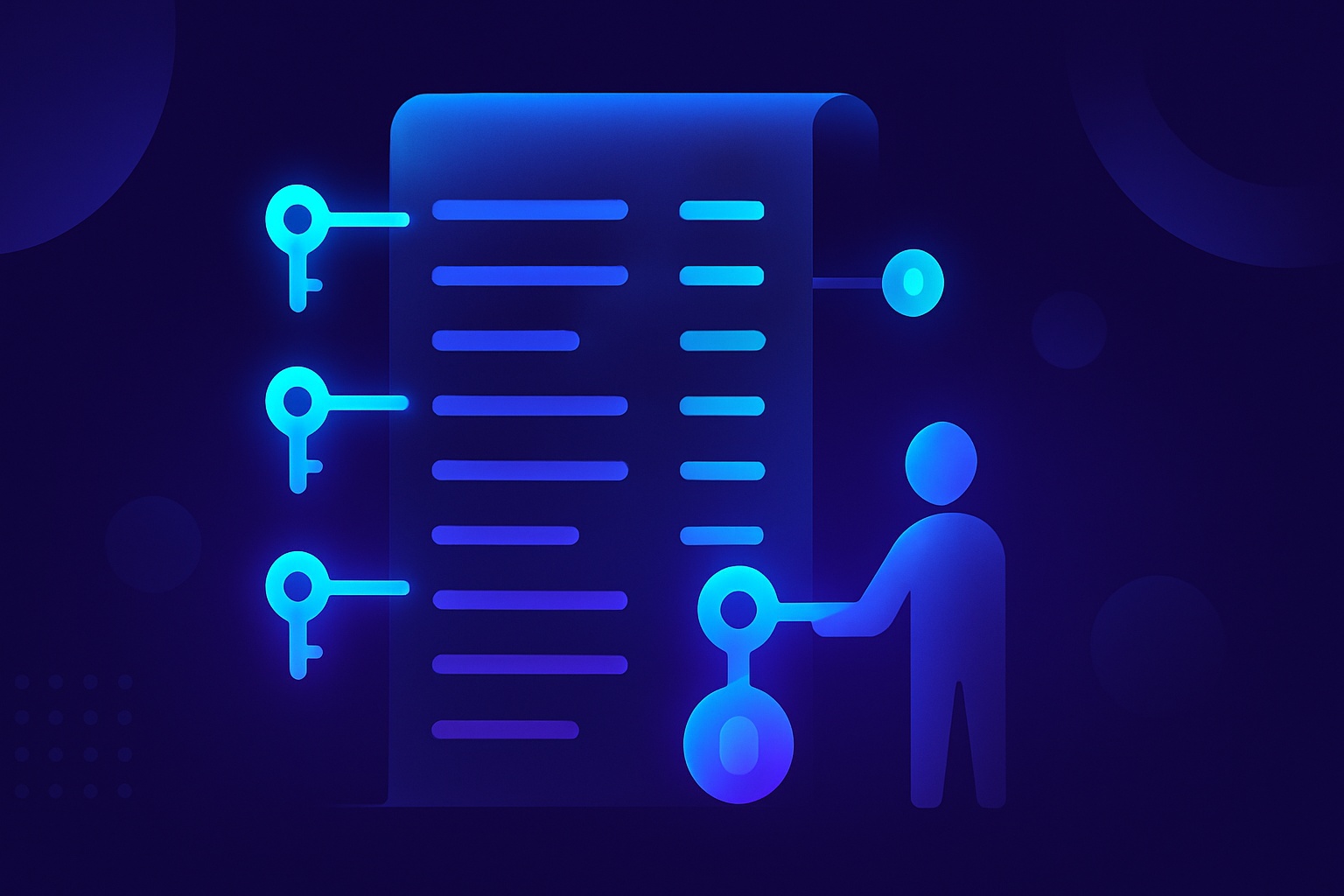
In a blockchain system, ownership is best understood as the ability to authorize certain changes in the shared ledger. Those changes are written as transactions that say, in effect, “move this amount from this address to that address.”
This authorization power is tied to specific addresses on the blockchain, and each address is controlled by cryptographic keys. Holding the right keys means you can authorize transactions that move funds away from those addresses. The “coins” you think of are not objects on your phone; they are numbers in the shared ledger that your keys allow you to reassign.
Key facts
what-you-own-control
The power to authorize transactions from specific addresses you control.
what-you-dont-own-coins-object
You do not own coin objects stored inside your phone or wallet app.
what-you-own-keys
You own private keys that let you prove control; you do not own the shared ledger itself.
what-you-own-authorization-balance
You own authorization over the balance entries linked to your addresses, not the database that records them.
How Authorization Works (Happy Path View)
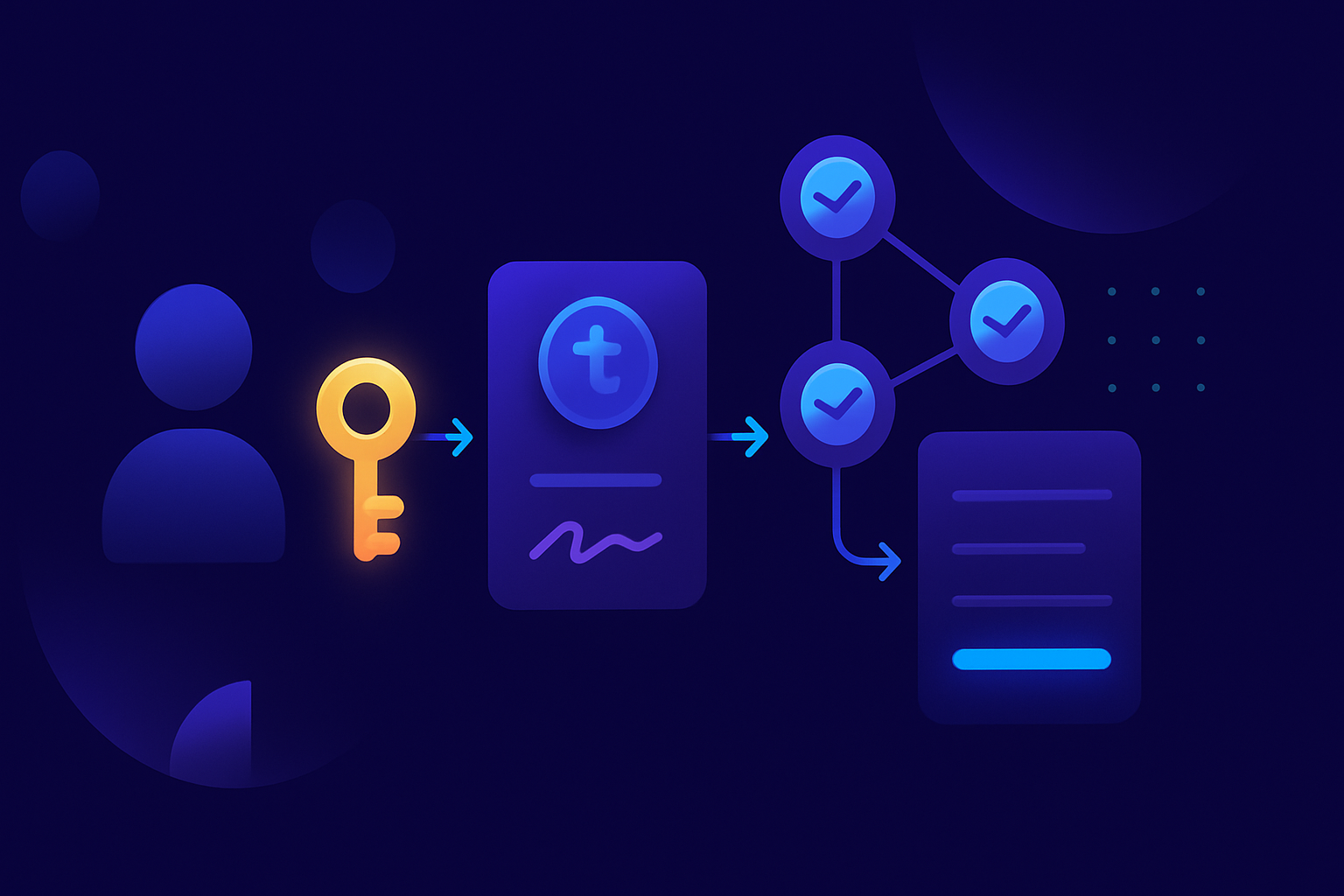
Behind the scenes, authorization on a blockchain is expressed with digital signatures. A private key, which only the owner controls, is used to create a signature on a proposed transaction.
That signature is attached to the transaction and sent to the network. The network’s nodes check that the signature matches the public information for the address that is sending funds. If the signature is valid and the rules are followed, the transaction is accepted into the blockchain. Once recorded, it updates who can authorize those funds next, by assigning them to new addresses.
- You decide to move funds from one of your addresses to another address.
- Your wallet software prepares a transaction and uses your private key to create a digital signature.
- The transaction and its signature are sent to the network, where nodes check that the signature is valid.
- If it passes the checks, the transaction is added to the blockchain and the balances for the involved addresses are updated in the shared record.
Wallets, Addresses, and Balances in This Picture
Key facts
wallet
Software or a device that holds your private keys and uses them to create digital signatures on transactions.
address
A public label on the blockchain that transactions use as a destination or source for funds you can authorize.
balance
A number summarizing all past incoming and outgoing transactions for an address in the shared history.
In practice, your wallet holds private keys that correspond to certain addresses on the blockchain. Those addresses, and the balances associated with them, are visible to anyone who looks at the shared ledger.
When a new transaction is recorded, the history for the affected addresses changes, and so do their balances. What you “own” is the ability, via your wallet and keys, to authorize new transactions from those addresses, which in turn updates the balances that everyone can see.
Pro Tip:A wallet does not store your coins; it manages your keys and creates signatures. The funds always remain as entries on the blockchain’s shared ledger. It can help to picture the wallet as a remote control for your addresses, not as a piggy bank that holds money inside it.
Balances Come From History, Not Stored Objects
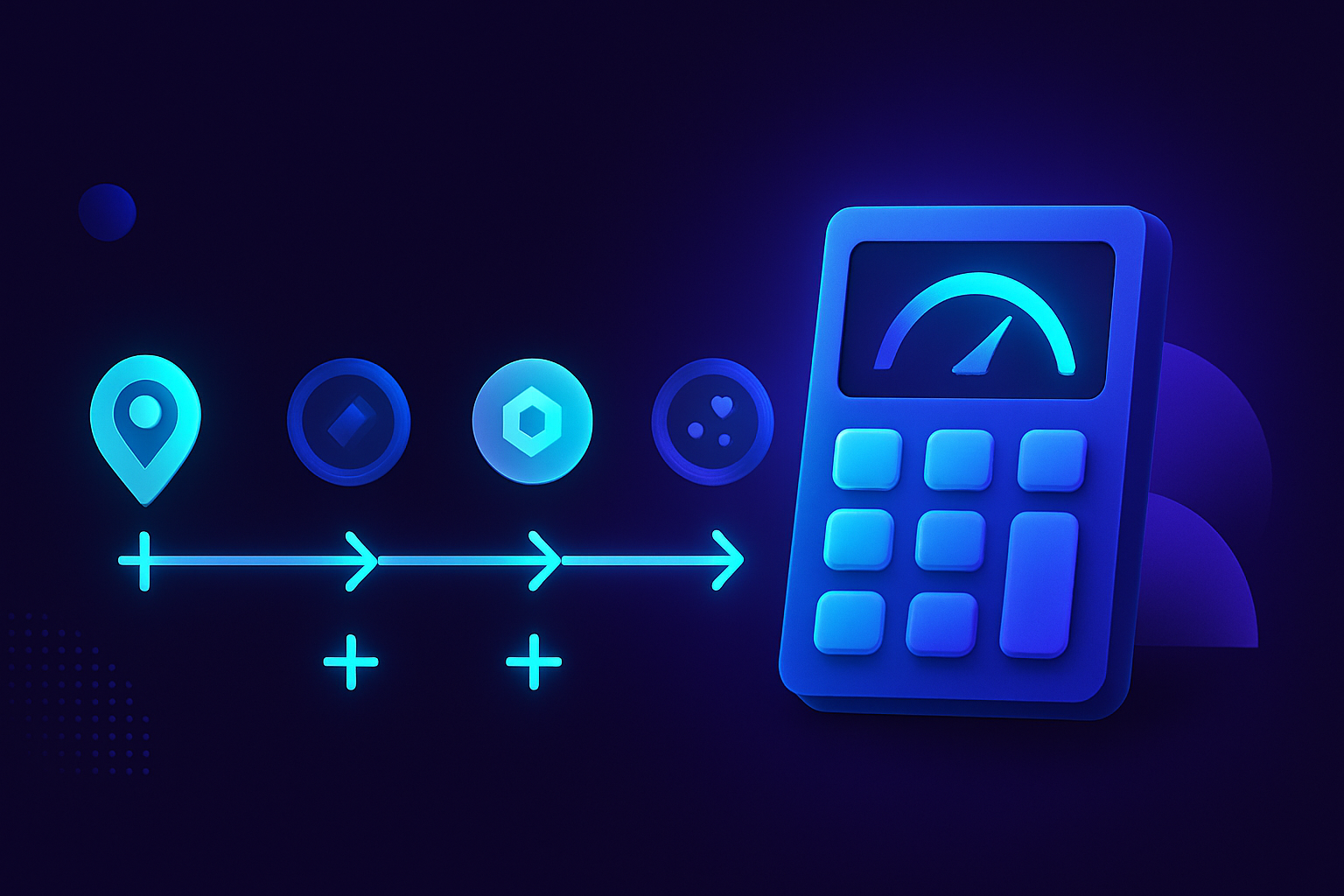
On a blockchain, a balance for an address is not a single number stored in a personal slot. Instead, the ledger records many individual transactions that either add amounts to the address or subtract amounts from it.
To know the current balance, software looks at the history for that address and adds up all the incoming and outgoing amounts, or uses a summary derived from that history. This reinforces the idea that there is no bag of coins in your wallet app; there is only a shared record, from which balances are calculated.
- A balance is a summary of past transactions, not a pile of stored coins.
- Anyone with access to the blockchain data can recompute balances from the shared history.
- Balances change only when new transactions are recorded on the blockchain.
Two Important Constraints on Ownership
Pluses
Ownership rules are encoded in the protocol, so they are clear and public to everyone.
Anyone can check the blockchain to see which addresses currently control which funds.
Minuses
Only transactions with valid signatures, following the rules, can change ownership on-chain.
A change in control counts only after the network records the transaction in the shared history.
In a blockchain system, the chain’s recorded history is the final reference for who controls what. A plan to send funds, written on paper or agreed verbally, does not change ownership until it appears as a valid, signed transaction on the blockchain.
Effective ownership is whatever the shared ledger recognizes through its authorization rules. If there is no signed and included transaction, then, in this system, ownership has not changed.
Lock-and-Key Mental Model (Without the Coins in a Box)
Imagine a big public board that everyone can see, listing many locks, each with a number written next to it. The board itself is the blockchain, the locks are addresses, and the numbers are the amounts that history currently assigns to each lock.
You hold a set of keys, and each key fits only certain locks on the board. Owning a key means you can request that the board be updated so that amounts move from one lock to another. Nothing is stored inside your pocket; what matters is that your keys let you change which locks on the shared board control which amounts.
- In the metaphor, what does the public board represent? (Answer: the blockchain ledger.)
- What do the individual locks on the board represent? (Answer: addresses or control points for funds.)
- What do your keys represent? (Answer: private keys that let you authorize changes.)
- What do the numbers written next to each lock represent? (Answer: balances derived from the history for that address.)
Where This Leads: Transactions as Ownership Changes
TL;DR
- On a blockchain, you own the power to authorize transactions from specific addresses - not coins sitting in an app.
- Your wallet holds the private keys and uses them to create signatures the network can verify.
- Balances are summaries derived from the shared ledger's transaction history for those addresses.
- Ownership changes only when a validly signed transaction is recorded on the blockchain.