Why this concept feels confusing at first
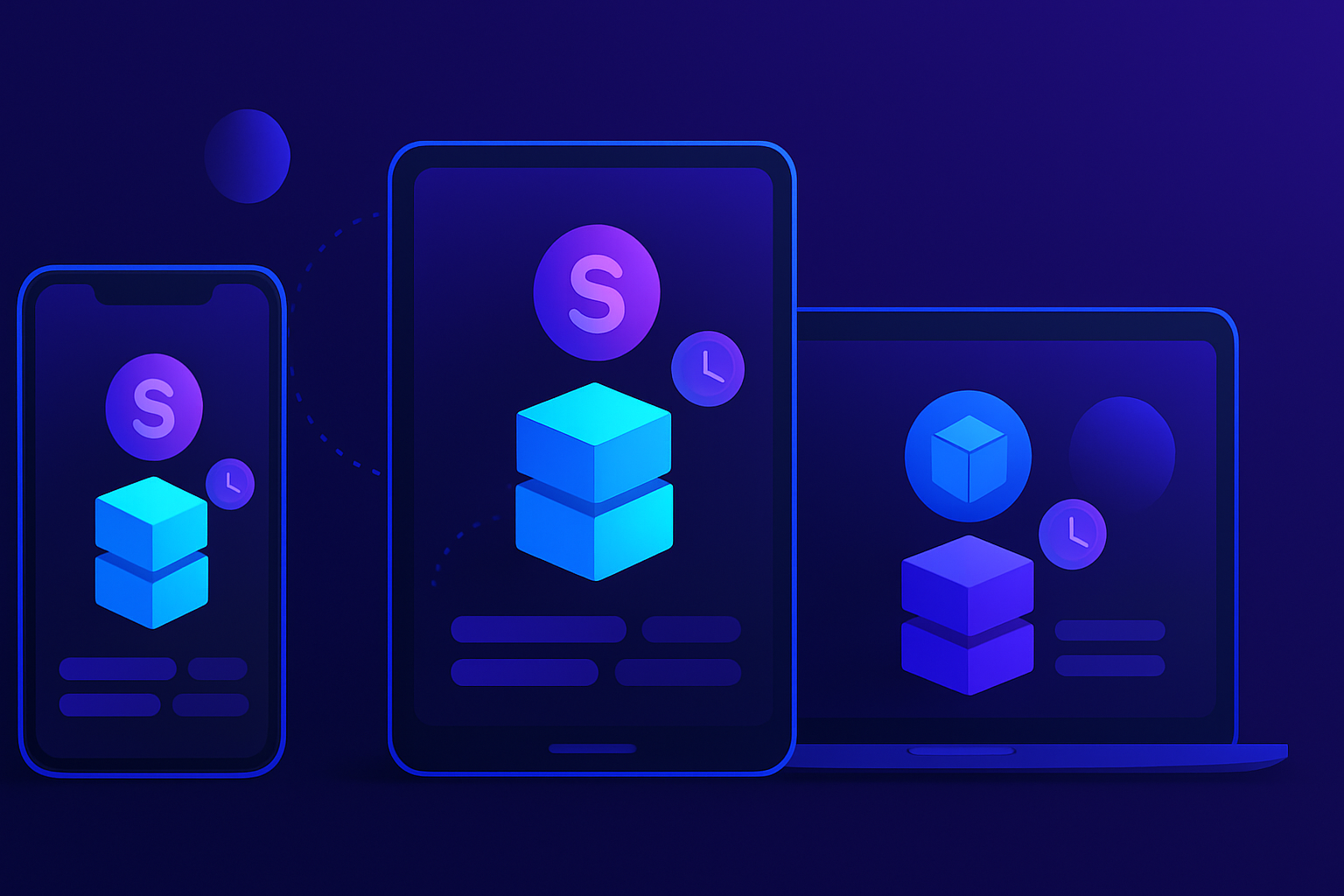
Most online experiences create the impression that everyone sees the same thing at the same time. A message appears in a chat app, a post shows up on a social feed, or a balance updates in a banking app, and it seems instantly synchronized across all devices. From this, it is natural to expect a single global state that updates everywhere at once. When one block explorer, wallet, or service shows a “latest block” that does not match another, it can feel like something is broken or out of sync. This mismatch between expectation and reality is where confusion starts. The different views look like an error, when they are actually a reflection of how decentralized networks share information without a central authority updating everyone at the same moment.
One key idea
A new block is learned by some participants before others, because information spreads over time. For a short period, different participants (and the services connected to them) can show different “latest blocks” while the same update propagates across the network.
How it actually works (high-level)
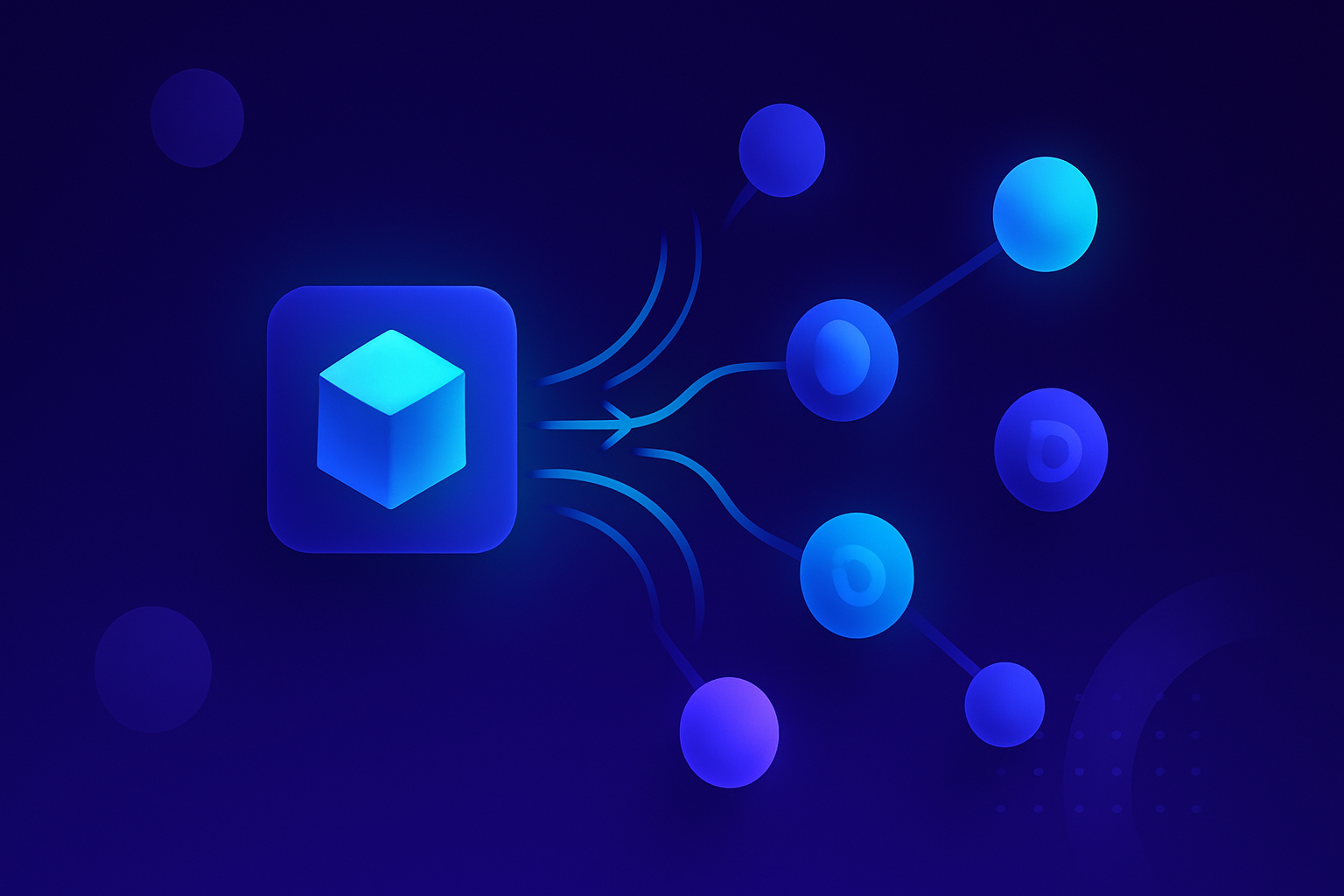
A decentralized network has many independent participants rather than one central server, and they are connected in a web. When a new block appears at one participant, it is forwarded to neighbors, then forwarded again, hop by hop, until it reaches most of the network.
Because this takes time, each participant’s local record updates at a slightly different moment. During that window, two participants can honestly report different “latest blocks” even though they are converging on the same update.
What this causes in practice
Different explorers, wallets, and services can briefly show different latest blocks. This usually reflects which participant their data source has heard from most recently, and these differences are typically small and short-lived.
Key facts
One site shows a higher latest block than another
One data source has already learned about a newer block, while another has not yet.
Timestamps or block labels differ slightly between interfaces
Different sources can report the same update with slightly different timing or presentation.
The latest block changes between checks
The source has received newer block information since the last moment it was observed.
What this does NOT mean
Short-lived differences in which block appears as “latest” are expected in decentralized networks. They arise from the time it takes for information to move between independent participants. During these moments, the same rules apply everywhere; participants are simply at different stages of receiving the same information. As information continues to spread, local views move closer together and align with the same shared truth. This gradual alignment is part of normal operation, not a sign of instability.
- Temporary differences in latest blocks do not mean there are multiple incompatible versions of the rules.
- A brief mismatch between interfaces does not automatically signal a serious problem with the network.
- No single explorer, wallet, or website is the only real source of truth; each reflects its own local view of the same underlying system.
A simple mental model to remember
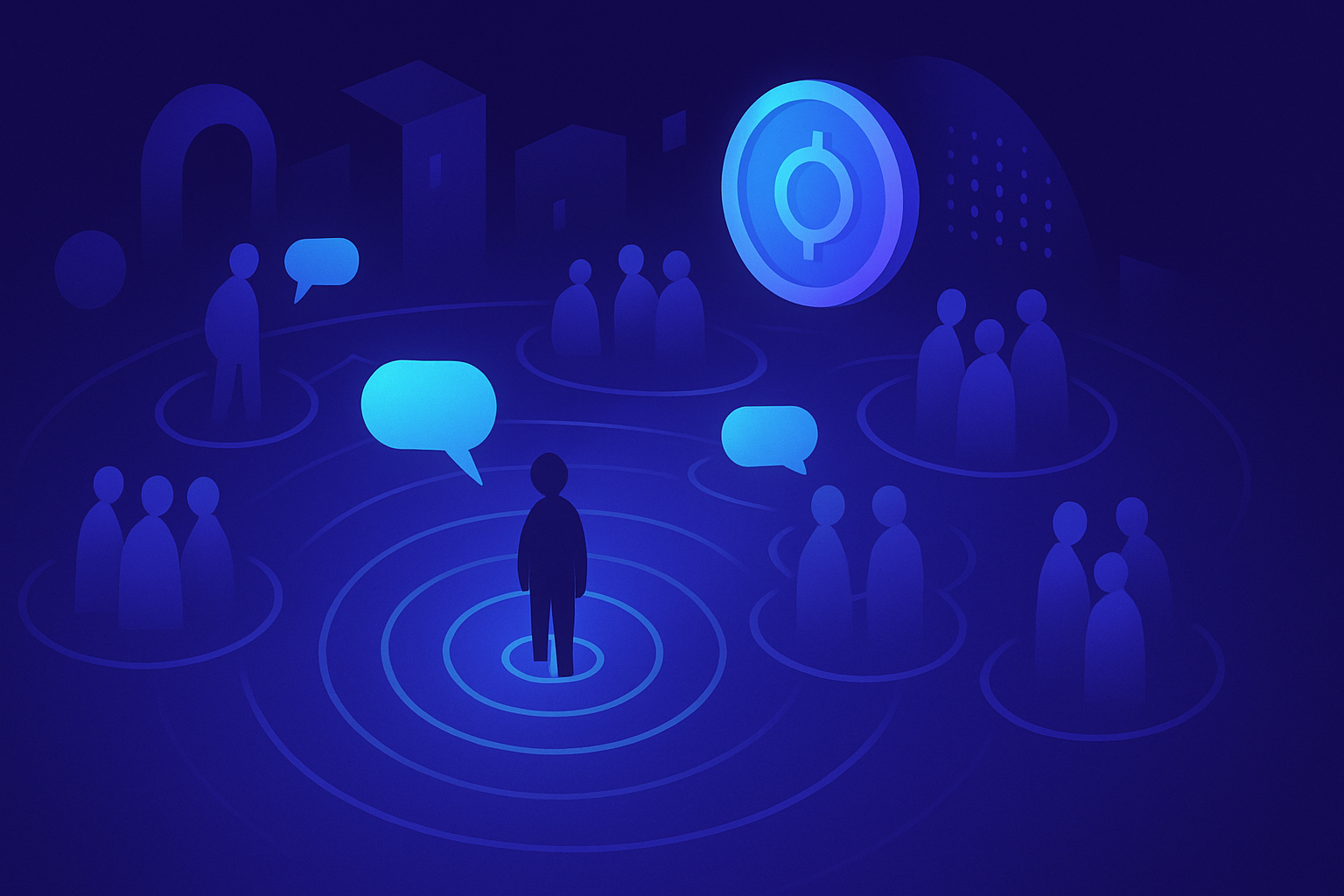
Imagine news of an event starting with one person who sees it happen. They tell a few others, and the news spreads from person to person. At any moment, some people have heard it and others have not. After a little time, most people have heard the same news.
- The first person who sees the event corresponds to the participant where the new block first appears.
- Each person who hears the story later corresponds to a participant updating their local view when block information reaches them.
- The town eventually agreeing on what happened corresponds to the network reaching a shared truth about the chain.
Calm closing and TL;DR
Temporary differences in which block appears as “latest” are a normal result of information taking time to move through a decentralized network. Independent participants briefly hold their own local views, then gradually align as new blocks spread. These differences are expected during propagation, not a sign that the network is unstable.
TL;DR
- New blocks do not appear everywhere in the network at the same moment.
- Each participant shows a local view based on the blocks it has already heard about.
- Information about new blocks travels step by step from one participant to others.
- Brief differences between explorers, wallets, or services are a normal reflection of this timing.
- Over time, these differences fade and most participants converge on the same latest block.