Why this concept feels confusing at first
In most digital systems, once something is written down, it feels finished. A database entry, a server log line, or a saved document tends to stay exactly where it is from the moment it appears. This experience trains many people to think of records as instantly permanent. When hearing about blockchains as “immutable ledgers,” it is natural to assume that each new block is an unchangeable line added to the end of a book the moment it shows up. The surprising part is that the very newest part of a blockchain does not behave that way. The last few blocks can briefly shift, with one recent block disappearing and another taking its place, even though nothing is “broken.” This short-lived flexibility near the edge of history can feel confusing at first, because it clashes with the everyday expectation that once something appears in a log, it will never move or be replaced.
- Bank and card statements, where listed transactions rarely move once they appear.
- Email inboxes and chat histories, where messages stay in the same order after they are delivered.
- Application or server logs, where each new line is added permanently to the end of the file.

One key idea
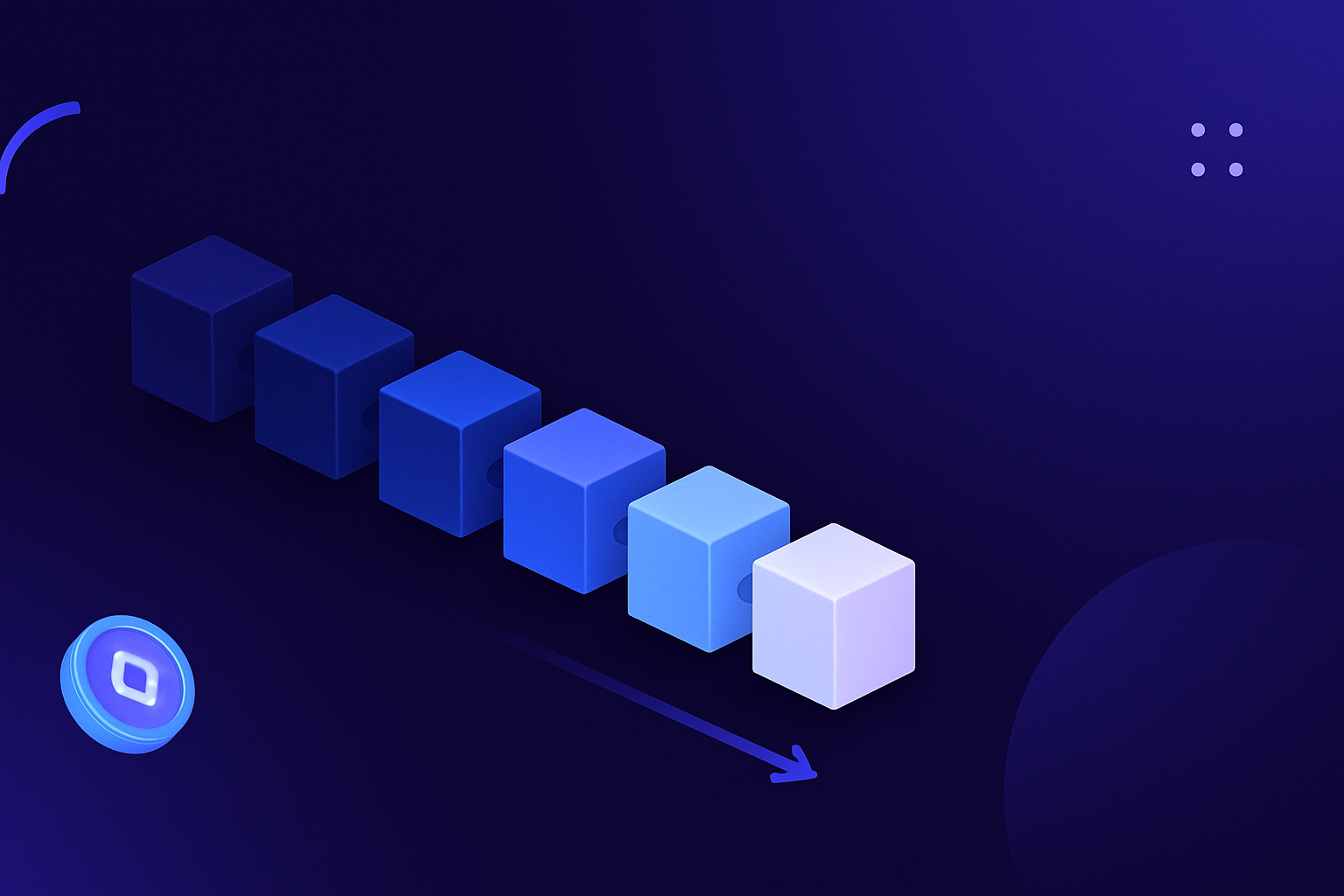
The newest blocks are the least stable part of a blockchain’s history. Stability increases with depth.
How it actually works (high-level)
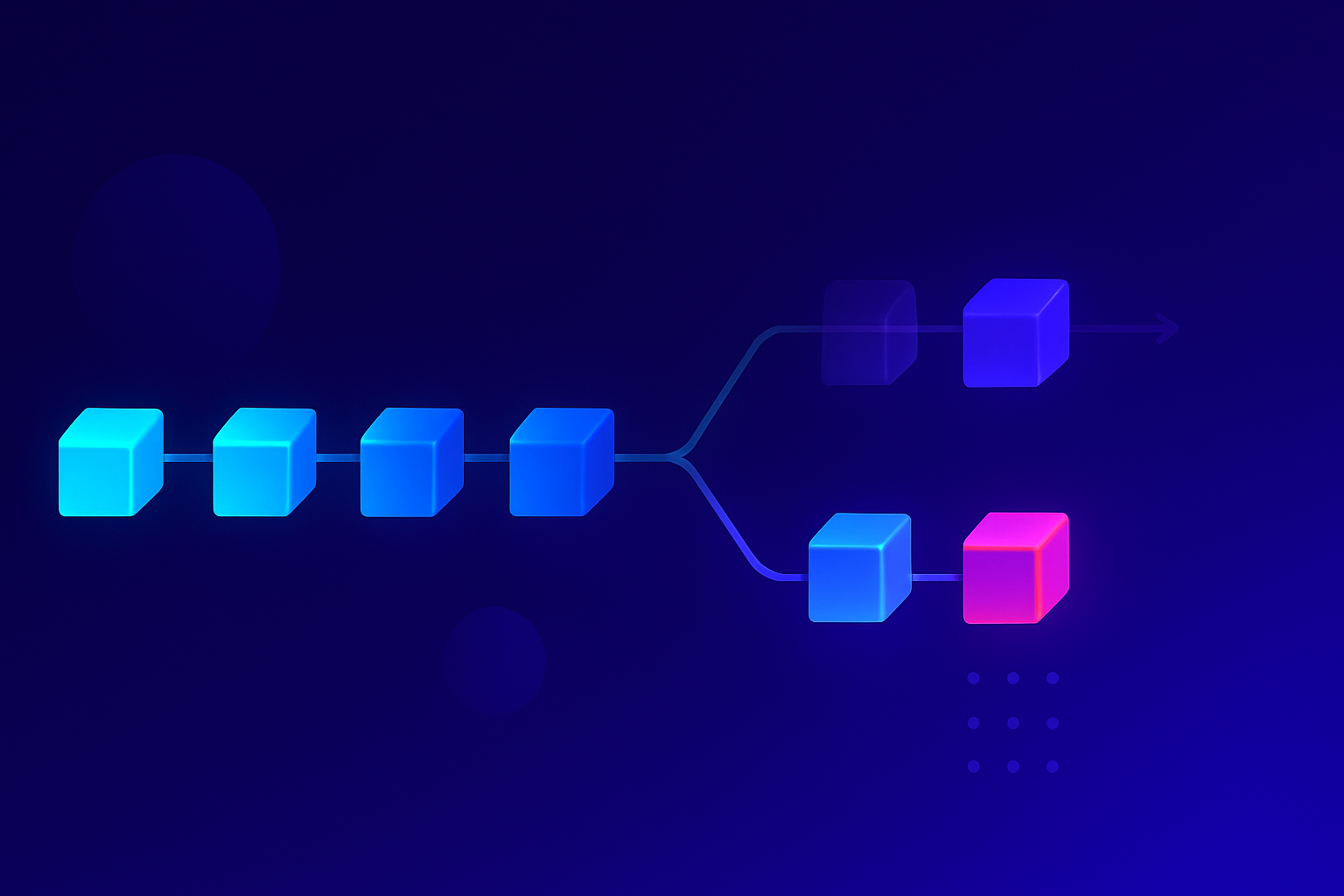
A blockchain is maintained by many independent participants, and new blocks are not learned everywhere at the exact same moment. Occasionally, two valid blocks can be produced for the same next position, and different parts of the network can briefly extend different recent tips. This short-lived split is often called a fork. As more blocks are added, these differences usually fade and most participants end up following the same recent history, which can replace a very recent block near the tip.
What this causes in practice
When a short fork appears and then resolves, it shows up as small changes near the end of the chain. A block that was recently visible can be replaced by a different block at the same height as the network converges on one recent tip. Some pending results may also look slightly different for a short time, depending on which recent branch a service is currently following. These differences are short-lived and limited to the newest blocks, while deeper history remains unchanged across views.
Key facts
recent-block-gone
A different recent block appears at the same height after the tip converges.
explorers-disagree
Two services can briefly show different latest blocks while following different temporary branches.
transaction-moved
A transaction can be associated with a different recent block after the tip changes.
What this does NOT mean
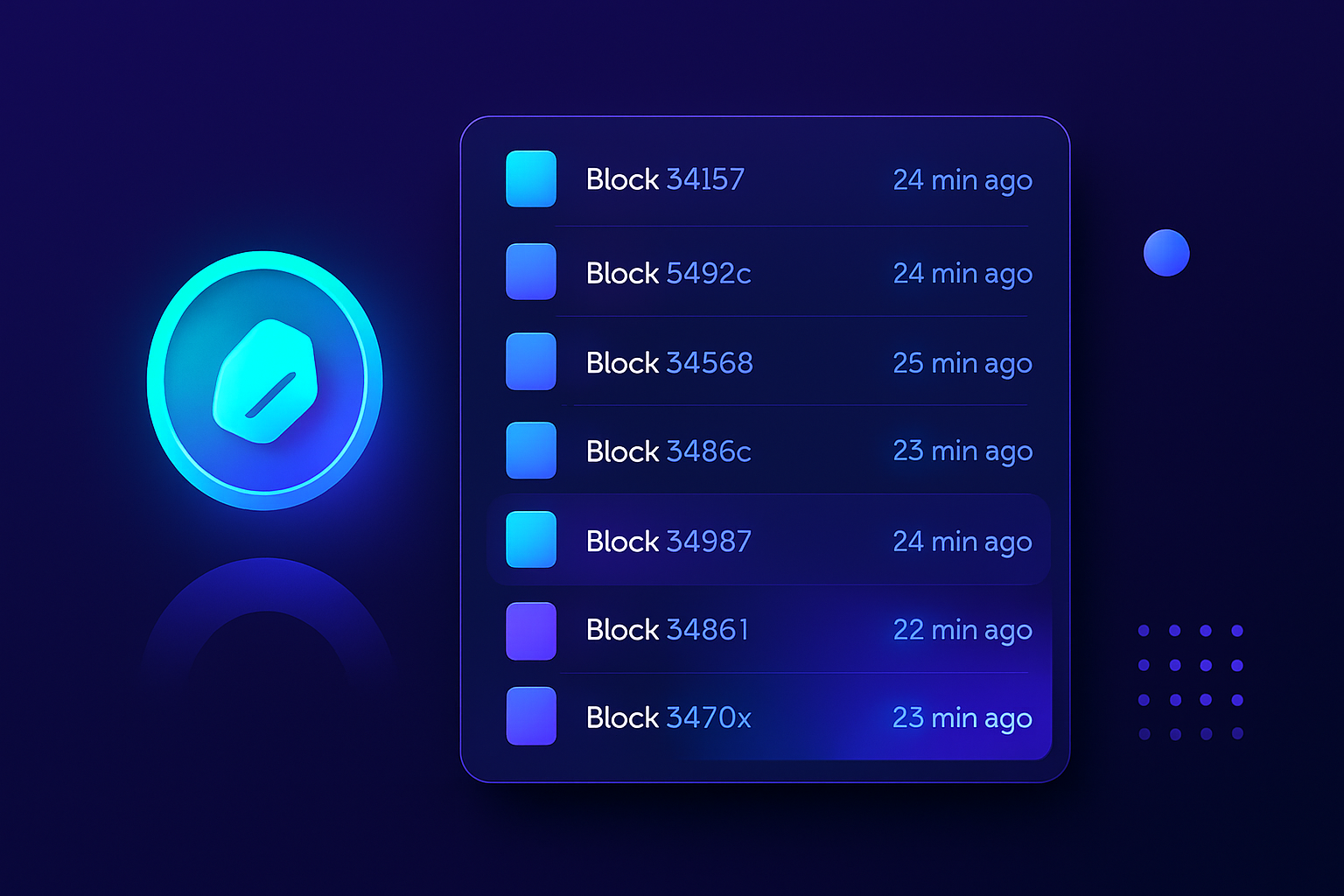
Short reorganizations do not mean that the blockchain is constantly rewriting its entire past. Old blocks that are buried under many newer ones are not routinely changed, and the system is not designed to reshuffle long stretches of history at will. The flexible behavior is intentionally concentrated near the tip, where the network is still comparing competing proposals for the most recent blocks. As blocks move further away from the edge, they become increasingly resistant to change and are treated as part of the settled record. When a recent block is replaced, the rules of the system did not change. What changed were the inputs: which recent blocks different participants saw first, and which branch gathered more support as new blocks were added.
A simple mental model to remember
Think of live score updates during a game versus the final score. While the game is still in progress, the latest update can briefly differ between feeds. Once the game ends, everyone shows the same final score. In the same way, the blockchain tip can change briefly, while deeper blocks become more stable over time.
- Live updates → the chain tip, where very recent blocks can differ briefly.
- Final score → deeper blocks, which are treated as stable history.
- More time after the play → more blocks added, which increases stability.
Calm closing and TL;DR
The fact that the most recent blocks can sometimes change is an intentional part of how a blockchain reaches agreement across many participants. Short forks and reorganizations give the network room to compare competing proposals and settle on one shared history. As blocks move away from the tip, they become steadily more stable, and the chance of change drops. Only the thin edge of the chain remains flexible for a short time, while the vast majority of history beneath it gradually solidifies. A simple way to remember this is that blockchain history does not freeze instantly at the moment a block appears; instead, it firms up layer by layer as new blocks are added on top.
TL;DR
- The newest blocks are the least stable and can briefly change.
- Short forks can occur when different valid blocks appear at nearly the same time.
- The network usually converges on one recent tip, which can replace a very recent block.
- These effects are localized near the tip and fade as blocks get deeper.